The Legacy of Wick Peth: A Pioneer of Rodeo Bullfighting in Skagit County

The rich history of rodeo in Skagit County is deeply intertwined with the life of Wick Peth, renowned as “the original rodeo bullfighter.” Born on April 15, 1930 in Mount Vernon, Washington, Wick grew up in a family of homesteaders and ranchers. The Peth family had a significant influence on the settlement and development of the Skagit Valley. John Peth Sr., Wick’s great-grandfather, left Wisconsin in the mid-1870s for Washington Territory, laying the groundwork for a storied family legacy.
Wick was part of the John Peth Jr. family, which included his mother, Florence, and six siblings, all of whom were well known in the community (some of whom had memorable nicknames): Jerry (John Gerald), Ted (Charles Theodore), Wick (Melvin Robert), Tootie (Darlene), Spanky (Sharon), and Buzz (Richard Dale).

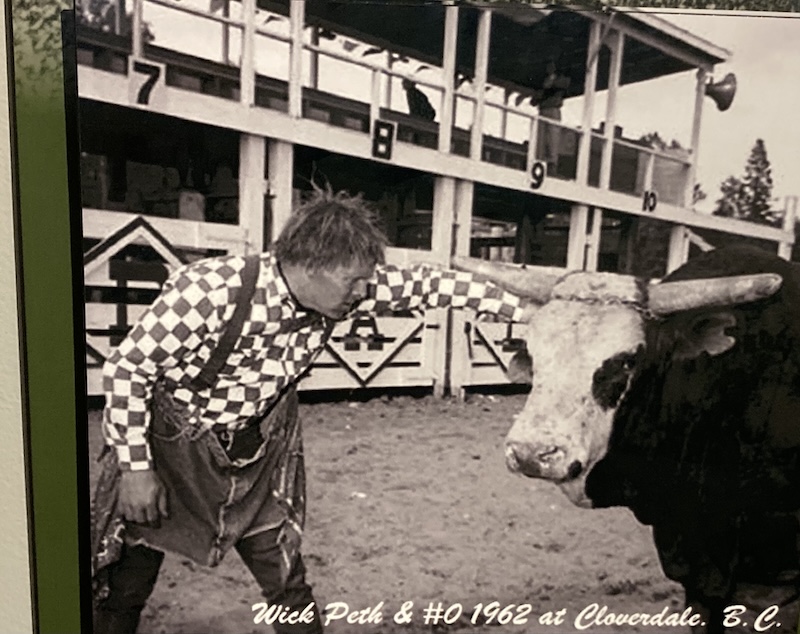
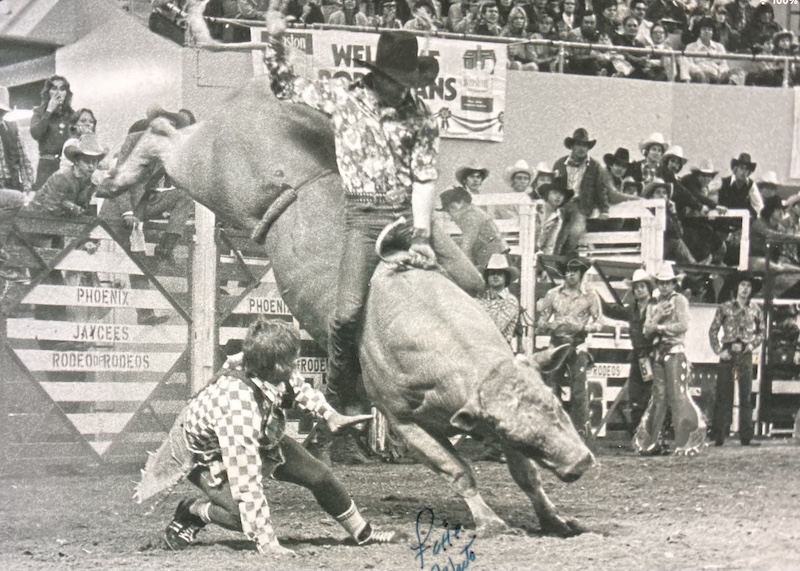
Wick’s journey into the world of rodeo began at an early age, working with animals on the family farm, where he honed skills that would later define his career. Notably, Wick was the first individual in the country to transform the role of the rodeo clown into that of a respected bullfighter. He elevated the profession from mere comic relief to a full-time art form. Wick once reflected, “I enjoyed the hell out of fighting bulls. One thing that made me giggle on the inside was when I’d run around one of them big, bad bulls and get away with it.” His confidence and natural ability led him to achieve significant acclaim, as he became a celebrated figure in numerous rodeo halls of fame, including the National Rodeo Hall of Fame and the St. Paul, Oregon Rodeo Hall of Fame in 2003.
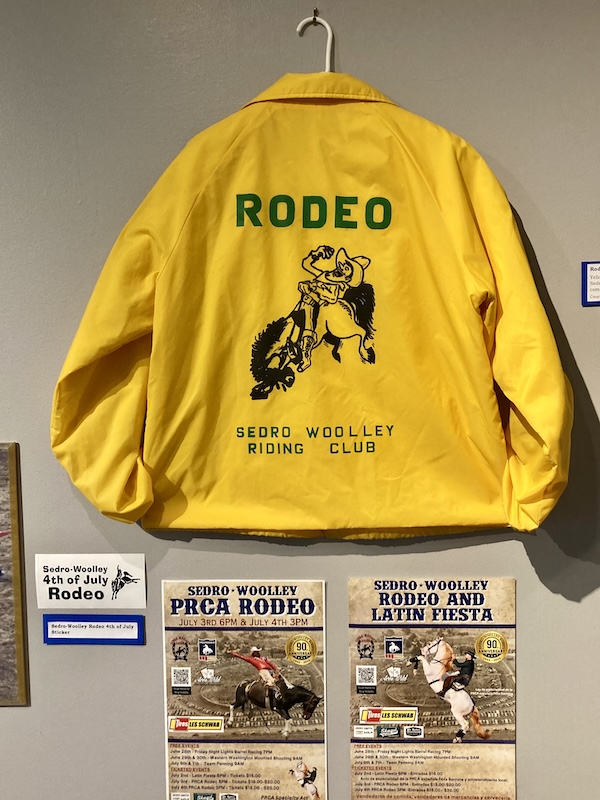
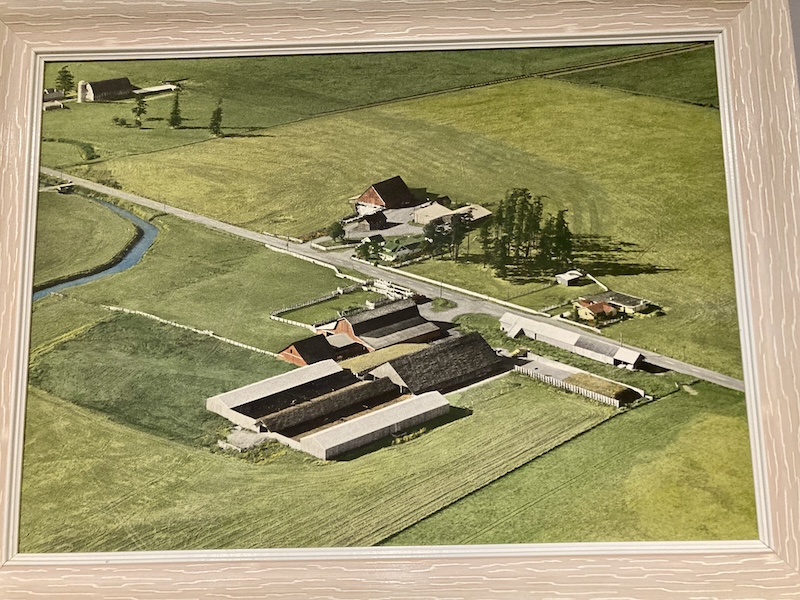
Wick’s contributions to rodeo are also closely connected to the history of the sport in Skagit County. The first organized rodeo in the county took place at the back of the Peth farm around 1925, though it ceased with the onset of World War II. This early rodeo set the stage for future events, and the Sedro-Woolley Riding Club, established on October 22, 1943, continued to foster the spirit of rodeo in the region.
In addition to his rodeo accolades, Wick played half-back for the Burlington Tigers during his high school days, joining forces with his friend and teammate Gene Overway to create the “Touchdown Twins.” After graduating from Burlington High School in 1949, Wick’s passion for rodeo only grew stronger.
Wick’s life was further enriched by his marriage to Dorothy Peth, an incredible artist whose recent honors reflect the profound impact of families in the rodeo industry. In 2023, she received the inaugural “Supporting Legend Award” from the Wrangler Bullfighting Hall of Fame, recognizing the unwavering support provided by rodeo families. Her concerns for Wick’s health, notably after a childhood incident where he accidentally drank gasoline, led her to creatively incorporate powdered milk into their meals to ensure he received essential calcium.
In a recent podcast, Meyer Sign had the privilege of speaking with Liza and Dan, the children of Wick, who shared some heartfelt and intriguing insights into their legendary father. Liza described Wick’s deep fondness for cattle, saying, “Some people like dogs, some people like cats. He just loved cattle.” This passion for cattle seemed to define a significant part of his identity, with Dan adding, “I think he really just became part bull.”
Both children fondly reminisced about their time spent with their dad, highlighting cherished memories. Dan shared, “I got to ride with him solo a lot of times,” reflecting on the special moments they had together and the strong bond they shared. The stories from Liza and Dan give us a glimpse into the life of Wick, showcasing his love for both his family and his cattle. Through their eyes, we not only see his passions but also the legacy of love and connection he fostered.
Wick also dabbled in Hollywood, serving as a stunt double for notable celebrities in films such as “Cowboy,” alongside Glenn Ford, and “Lucy Goes to Mexico” with Lucille Ball. Yet, at the core of Wick Peth’s identity was his love for bullfighting, which he described as a natural expression of himself. His philosophy on the sport he so deeply left his mark on emphasized confidence and experience, stating, “You have to believe you are different. That can only come from experience.”

A recent exhibit at the Skagit County History Museum showcased Wick’s legacy by not only highlighting his accomplishments and the history of rodeo in Skagit County, but also by educating visitors about the sport’s unique lingo, such as “pick-up man” and “sunfishing.” With the introduction of rodeo royalty in the 1950s, the culture surrounding rodeo continued evolving, forever influenced by pioneers like Wick Peth.
Today, Wick’s story serves as an inspiration to aspiring rodeo athletes and a reminder of the rich heritage that rodeo embodies in Skagit County. His journey from a young boy longing for bulls on a Christmas morning (and receiving them via rail some days later) to becoming a legend in the rodeo world exemplifies the spirit of resilience, creativity, and passion within the sport – traits that will forever be identified with Wick Peth.
This story was written by Morgan White, an intern with the Skagit Valley Youth History Project, a 501(c)3 non-profit that pays high school students to produce stories for Meyer Sign’s Tales of the Magic Skagit series. Morgan is a senior at Mount Vernon High School, and her stories also appear periodically in the monthly magazine “Mount Vernon Neighbors.“