Carrie M. White Was a Pioneer Advocate for Women’s Rights in the Skagit Valley

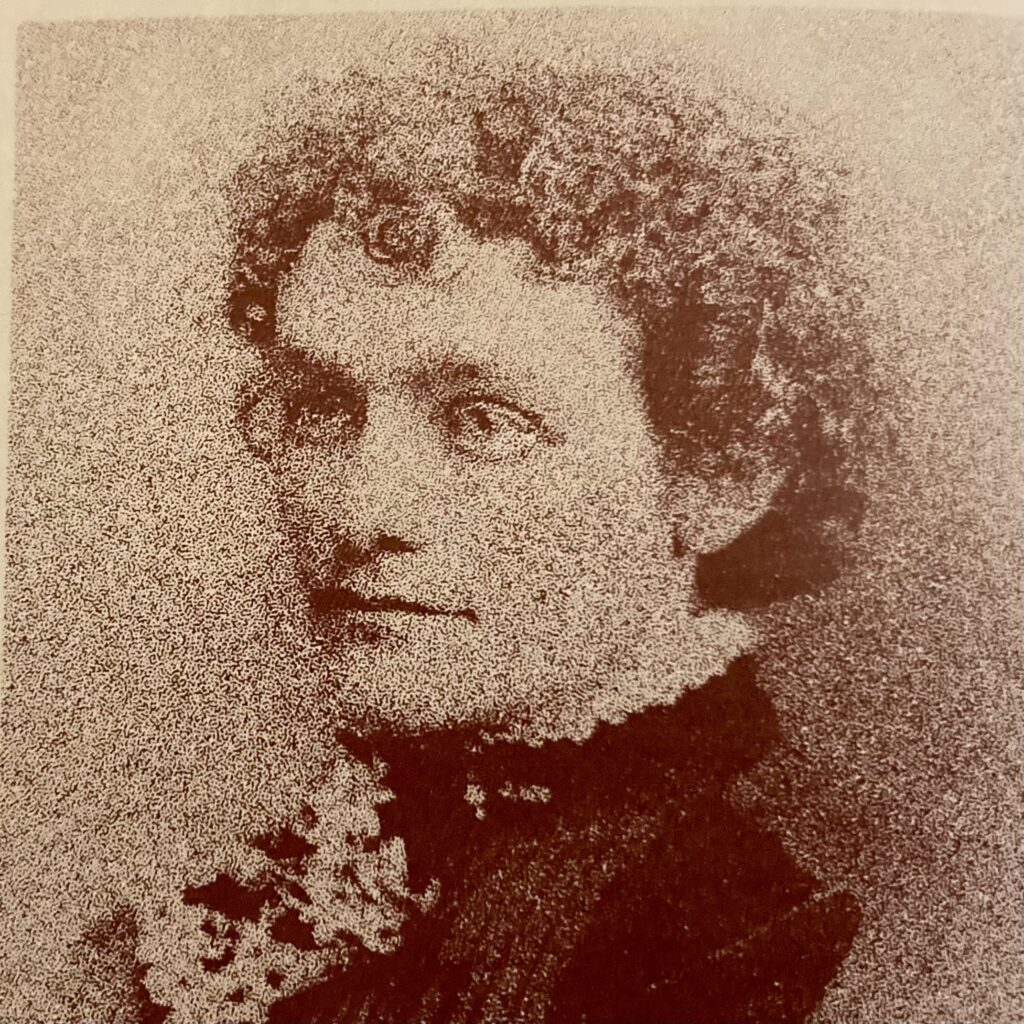
Carrie M. White, a prominent figure in the history of Skagit Valley, was born in Littleton, Iowa, on April 21, 1860. She moved with her family to Seattle, Washington in 1872, and then to Fidalgo Island the following year, where her father had purchased a farm. The family later relocated to Anacortes due to her mother’s declining health. Carrie White spent the rest of her life in Anacortes and left a lasting impact on the community.
Carrie was a trailblazer for women’s rights at a time when female involvement in public life was rare. She was a graduate of the University of Washington, making her a pioneering woman in a still-developing Washington Territory. Her activism extended to political and civic projects, where she served as an officer in the county Women’s Christian Temperance Union (W.C.T.U.) and as president of the Fidalgo Island Union, later known as the Anacortes Union. Her contributions and leadership were commendable, shaping the early days of activism and community involvement in Skagit Valley.
Her influence extended beyond her lifetime. In 1898, Carrie White presented a significant paper, “Fidalgo Island before the ‘Boom’,” to the Historical Society of Anacortes. This paper provided a crucial historical account of the early settlers on Fidalgo Island and included rich descriptions of her personal experiences. Her dedication to preserving the history of the region has made her a revered figure in the Skagit Valley. You can read her fascinating look into the Skagit Valley’s settler history by clicking on this link.
The impact of Carrie White’s work is still visible in Skagit Valley today. A water fountain, located on the east lawn of the Anacortes Museum, stands as a memorial to her contributions. This fountain, which includes drinking bowls at varying heights for people, horses, and dogs, was donated to the city of Anacortes in the 1890s in memory of Miss White (Carrie never married). It commemorates her work with the W.C.T.U. and highlights her stance against the consumption of alcoholic beverages.
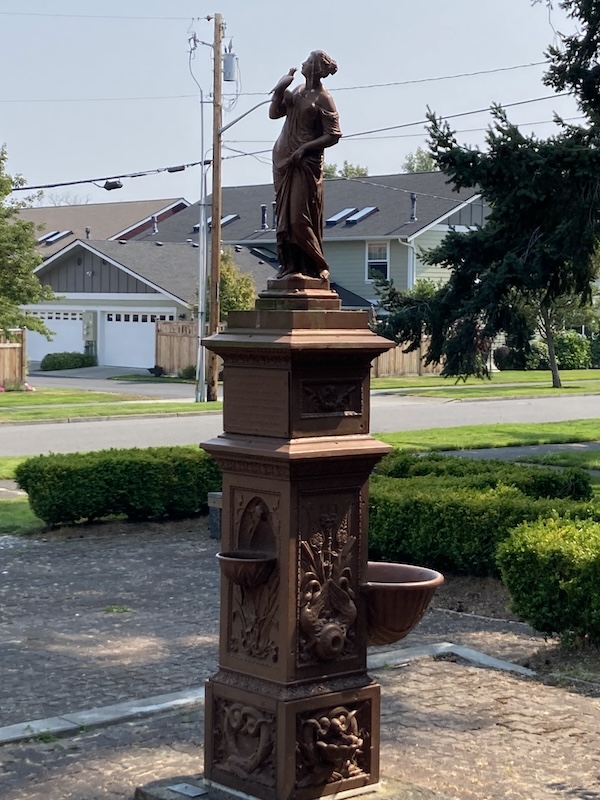
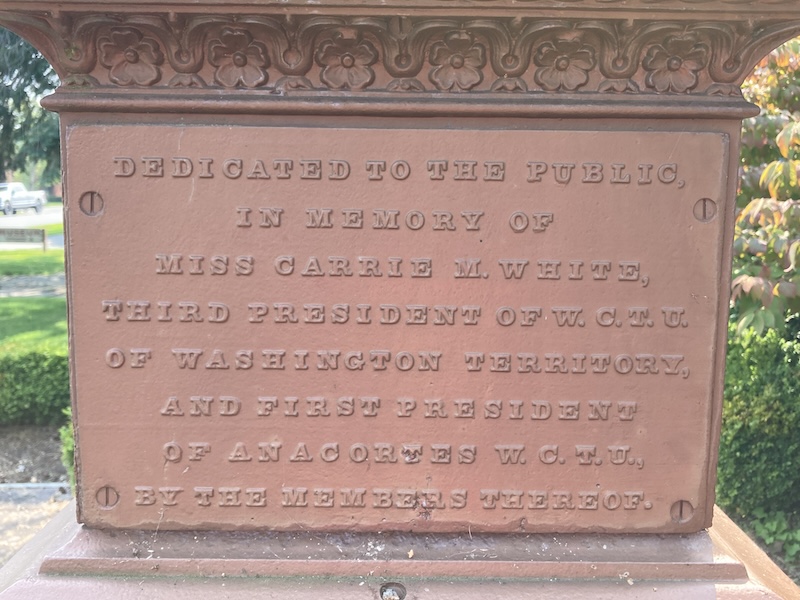
Carrie White passed away in 1904 at the age of 44. Her legacy continues to resonate in Skagit Valley, as she played a pivotal role in shaping the early cultural and social landscape of the region. Her contributions to women’s rights, historical preservation, and community engagement have left an indelible mark on the area, making her an important figure in the history of Skagit Valley.
Marguerite White Young, Carries niece, had this to say about her aunt:
My Aunt Carrie was said by some to be far advanced for the time in which she lived. I thought her quite wonderful but perhaps some people thought her quite daring. She attended a seminary in Seattle, also the University, and wrote the first U. paper in long hand, beautiful Spencerian writing. It is now in the U. of W. Department of Journalism Museum.
You can learn more about Carrie White through the Anacortes Museum website.
This Tales of the Magic Skagit episode was researched and written by Meyer Sign’s Skagit Valley Youth History Project intern, Morgan White — herself a latter day example herself female empowerment!