Tales From the Magic Skagit: You Light Up My Life — Day (and Time) Tripping to Newhalem
It’s an hour and a half — 69 miles — from my home in Mount Vernon to the site of an all but vanished community model known as “the company town.” There once were hundreds of such places in Washington, supporting logging (Fort Gamble), mining (Roslyn), dam building (Coulee Dam), and even a war effort (Richland).

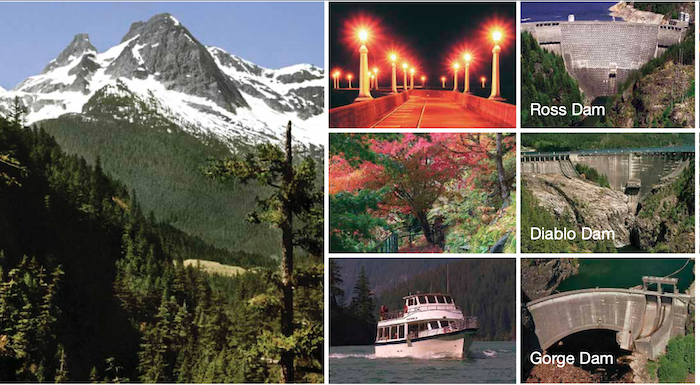
Tucked along the Skagit River at the gateway to the Cascades are two of the few remaining company towns left in America: Newhalem and Diablo. Owned and managed by Seattle City Light, these communities were created as part of the Skagit Hydroelectric Project — which extends 40 miles along the Skagit River from Newhalem to the Canadian border — and they supported the mix of permanent and temporary workers who built and maintained the plants that have generated hydroelectric power on the upper Skagit River since 1918.
The Vision of J.D. Ross
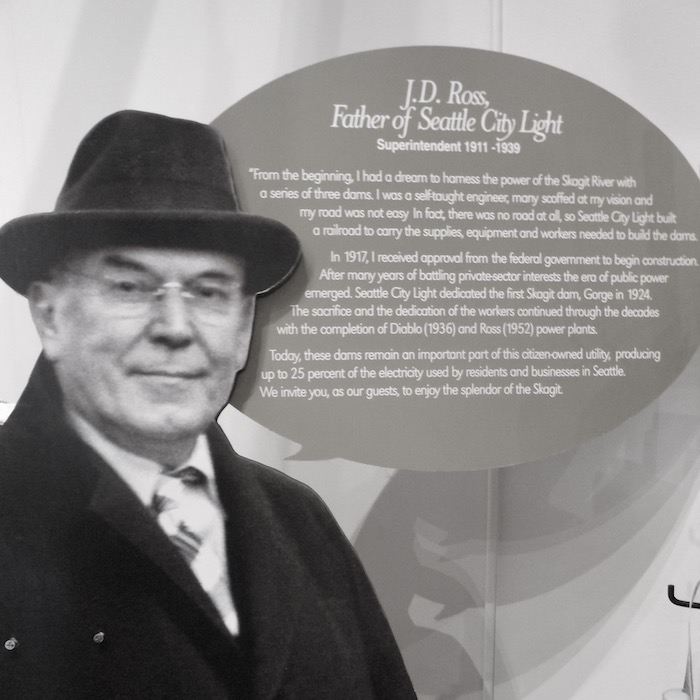
James Delmage (J.D.) Ross is known as the “Father of Seattle City Light” for good reason. He was its superintendent from 1911 to 1939, and he had the foresight to realize that the steep canyons of the upper Skagit River provided ideal locations for generating power — while the waterfalls in the canyon immediately upstream also formed a natural barrier that kept fish from spawning farther up-river.
“From the beginning I had a dream to harness the power of the Skagit River with a series of three dams,” said Ross. “I was a self-taught engineer, many scoffed at my vision and my road was not easy. In fact, there was no road at all, so Seattle City Light built a railroad to carry the supplies, equipment and workers needed to build the dams.”
In 1917, Ross received approval from the federal government to begin the construction that would realize his vision. After many years of battling private sector interests, the era of public power emerged. Seattle City Light dedicated the first dam, Gorge, in 1924. The next three decades saw the completion of the Diablo (1936) and Ross (1952) power plants. Today these dams remain an important part of this citizen-owned utility, producing up to 25 percent of electricity used by residents and businesses in Seattle.
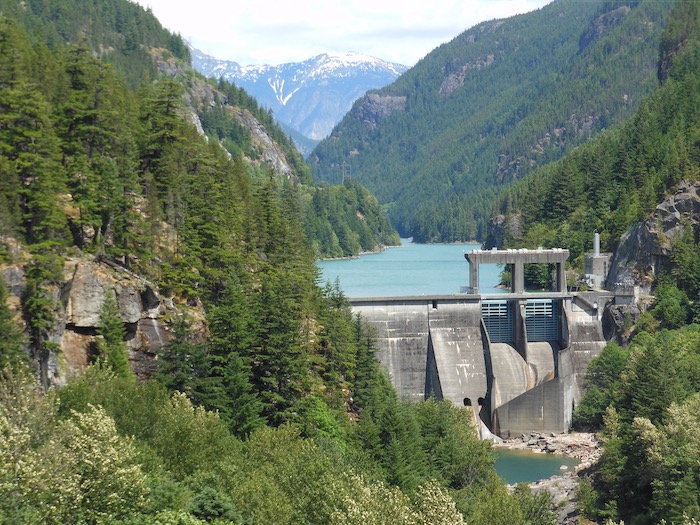
To call the dams that make up the Skagit Hydroelectric Project “engineering marvels” would be an understatement. The Gorge Dam is 300 feet high, with a two-mile-long tunnel drilled through solid rock. The Diablo Dam is 389 feet high, and at the time it was built it was the tallest arch dam in the world (arch dams are built in narrow, rocky locations and are curved inward so that as the weight of the water presses against the dam, and the pressure is transferred along its curved walls to large abutments on each of its sides). At 540 feet high, the Ross Dam is the Skagit’s largest. Originally called Ruby Dam, it was renamed in 1939 to honor J.D. Ross, as was the 24-mile long Ross Lake.

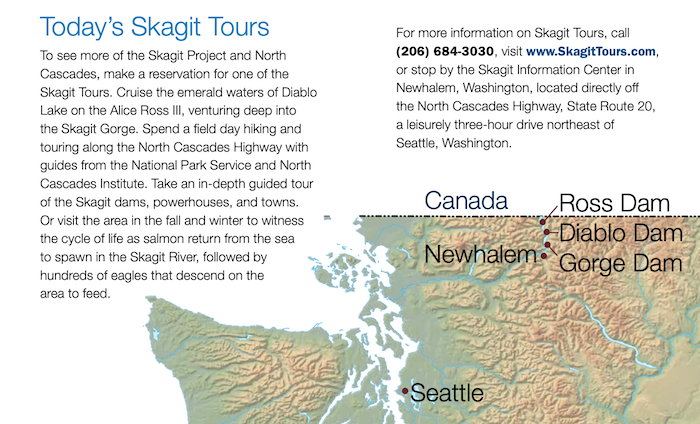
Under the leadership of Ross, the Skagit Hydroelectric Project enjoyed a national reputation as a showcase promoting hydroelectricity and municipal ownership prior to World War II. For years, thousands of tourists, many proud citizen-owners from Seattle, flocked to the Skagit to participate in two-day tours of the Project by rail and boat. The Skagit Tours continue today under a partnership between City Light, the National Park Service, and North Cascades Institute (the subject of a future Tales From the Magic Skagit episode).
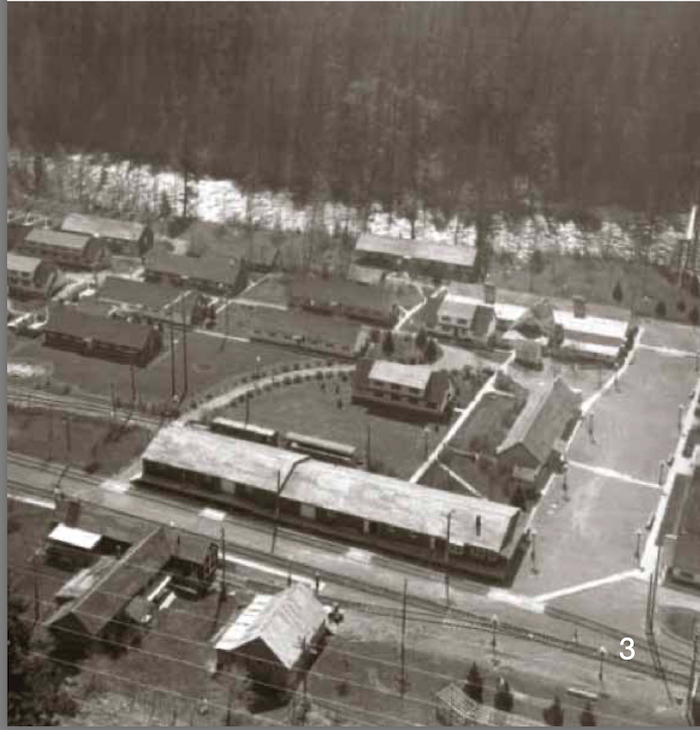
But J.D. Ross did more than oversee the design and execution of a vast hydroelectric power project. He was also responsible for the creation of two towns, Newhalem and Diablo, and even a railroad to serve them. As dam construction began in 1918 (the year of the last great pandemic), Seattle City Light built a cookhouse, warehouse, and cottages and bunkhouses for workers and their families. In 1921, the population of the Skagit River Hydroelectric Project reached 1,000. By 1960 it had declined to 500 men, women, and children. Fewer than 40 people live in the two towns today. Parts of both, as well as the Skagit Project powerhouses and dams, are listed on the National Register of Historic Places.
A Place to Snare Goats
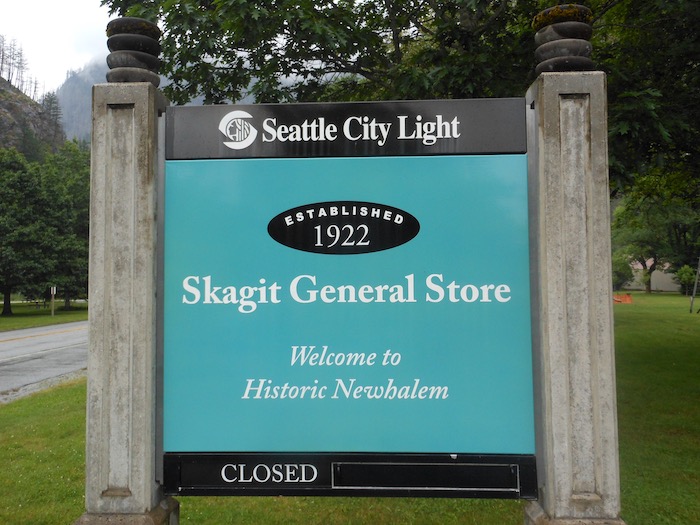
“Skagit” is an Upper Skagit tribal word for “place of refuge” — and it was certainly that for the folks who called the Seattle City Light’s Gorge Camp home. It was a home, however, that lacked an official name. That changed in 1921, when some college students who were working on the project painted a crude sign for visiting dignitaries stating, “Welcome to Newhalem.” The word also comes from the Upper Skagit peoples, roughly pronounced da-way-lib — meaning “a place to snare goats.” Mountain goats once flourished in the area, which was an ancestral hunting site for the Upper Skagit peoples, but the goats were susceptible to diseases carried by settlers’ cattle and the Newhalem goat population eventually died out.
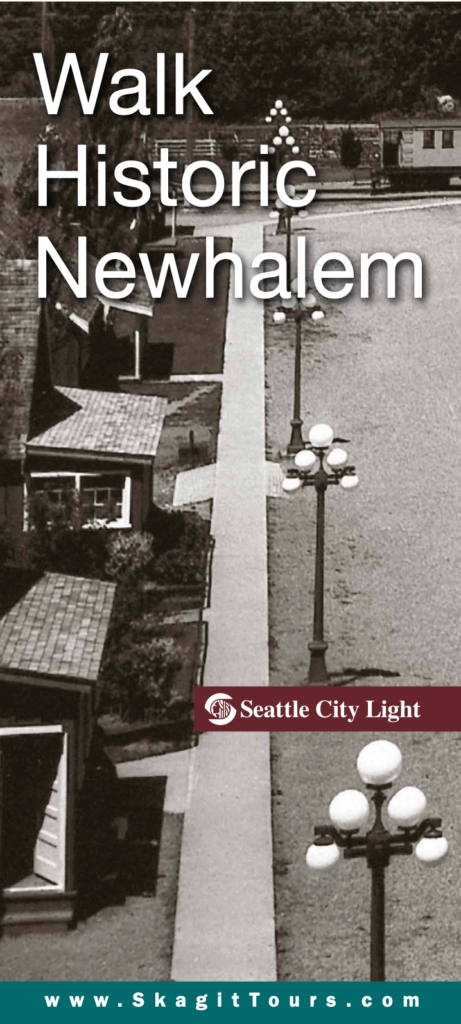
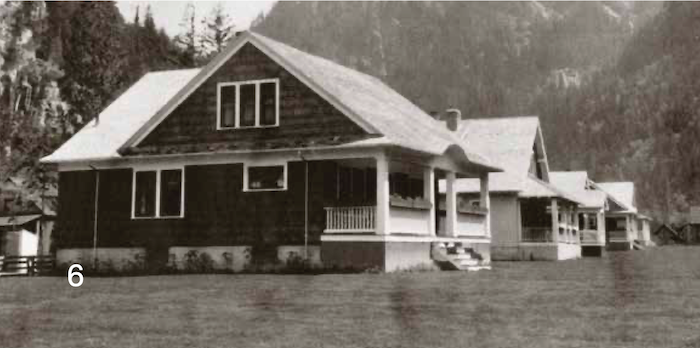
The housing at Newhalem earned nicknames based on quality. Early Newhalem society was clearly stratified as well as insular. The craftsman-style buildings on Silk Stocking Row, still standing today, were reserved for managers and powerhouse operators and their families. Other workers and their families lived in tents or tarpaper shacks with no indoor plumbing. Single men paid 90 cents a day for a room at the bunkhouse and meals at the cookhouse. Today’s employees still stay in a bunkhouse and eat at the cookhouse when working temporary assignments.
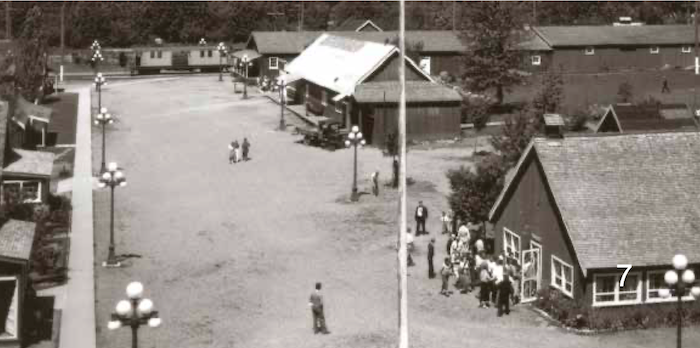
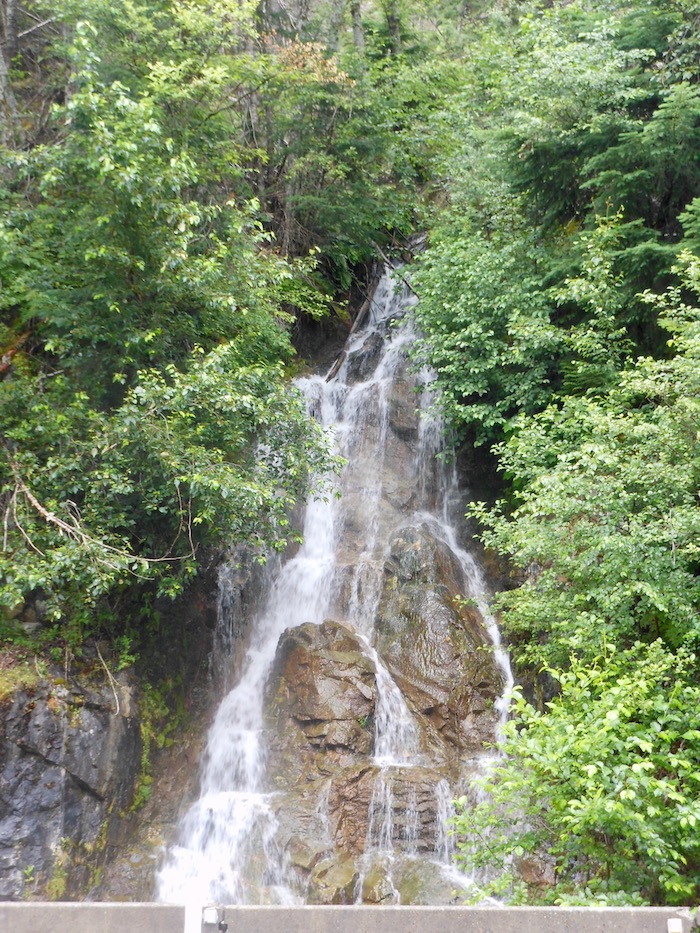
Despite its isolation, especially before the site was accessible by road and rail, there was plenty to do in Newhalem: skiing, picnics, fishing, and shopping. The company store stocked food, clothing, and medicine, which were paid for by paycheck deductions (a company town for sure). To link Newhalem and Diablo to the “world outside,” Seattle City Light constructed a 31-mile line from Rockport to Newhalem beginning in 1919. In addition to the train, there was also the “Toonerville Trolley,” a 2 1/2-ton truck converted to operate on rails that served as a passenger shuttle. For years, the railway was the only means of transporting materials, equipment, workers, and tourists to the project. As the area became more accessible to vehicles, the railroad was dismantled in 1954. The road to Diablo was completed in 1957 and was carved out of solid rock with three tunnels and a bridge over Gorge Creek.
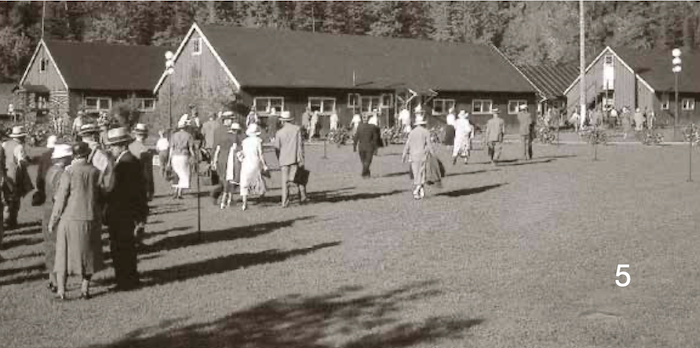
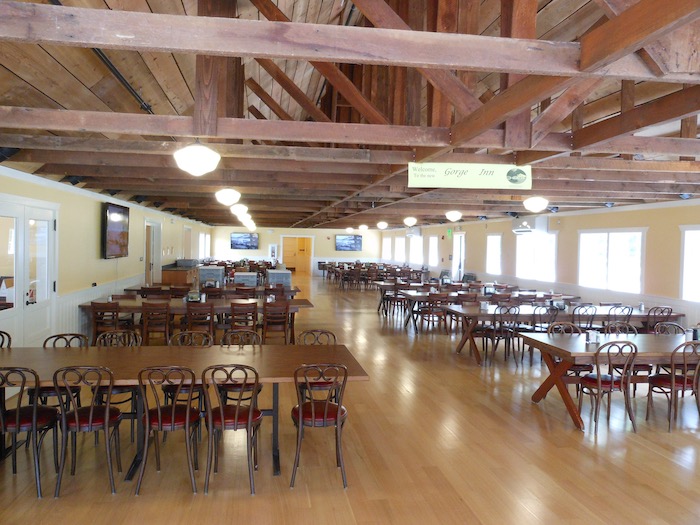
Along with his other accomplishments, J.D. Ross also seemed to have a genius for PR, and Newhalem became a tourist destination in the 1930s. The original Skagit Tours had an overnight capacity of up to 2,000, with highlights that included light shows (seriously), a zoo, a cruise, exotic gardens, and the Skagit’s own inspiring scenery and nearby dams. Trains transported tourists from Rockport, and in 1935 the cost of the overnight excursion was $3 per person, including meals and lodging. The dining finale was an all-you-can-eat meal at the employee cookhouse, aptly named Gorge Inn.
A Walk Through History
As a day trip, my wife and I approach a visit to Newhalem with a full but leisurely itinerary. We leave home right after breakfast and stop for a dirty spice chai at the Diedrich’s coffee kiosk in Burlington before taking Hwy. 20 to Sedro-Woolley and points northeast. It’s always a beautiful drive through the pioneer communities of Lyman and Hamilton and on to Concrete, where we’ll stop on our return trip for a sweet snack and espresso at 5-Bs Bakery, and take home a loaf or two of gluten-free bread and maybe something more savory to consume with a big salad that evening. Sauk Mountain looms ahead. Somewhere around Birdsview we get our first tantalizing peeks at the snow mantled Cascades. If you need to stretch en route, mile marker 100 makes for a great selfie with the river and mountains for a background.
Another stop involving a scenic wonder is at The Eatery in Marblemount, where we can behold what I truly believe are the sticky buns of the gods (as gross as that might sound). One of these bad boys will send you into insulin shock if you consume it at one sitting, so we buy two and split them for now and later. I recommend you have them heat the buns, then pull over at the Howard Miller Steelhead Park in Rockport to reward yourself for your exercise in postponed gratification.
Our next stop is typically at the North Cascades Visitors Center, so my wife can peruse the postcard selection (she’s old school about sending postcards) as well as the natural science books for adults and kids. I think that at this point we’ve probably collected enough informational brochures to open up our own tourist bureau. We constantly replenish our inventory since we’re constantly giving it away to fellow wayfarers.
Just a few miles down the road from the Visitors Center and we arrive at Newhalem — a place to snare goats and enjoy an al fresco lunch at one of the picnic tables located throughout the town. Fortified and attired, based on the season, we’re ready to follow in the footsteps of citizens who visited Newhalem in the 1930s as we walk back in time through the town and its nearby hydroelectric plants, Gorge and Newhalem. Although features have changed, the town retains its original layout as well as many of the historic structures from the pre-war years. As you stroll through the town today, imagine what it must have been like to reach this remote community by train, when the wonders of electricity and hydropower were still brand new.
Here’s what you’ll want to see:
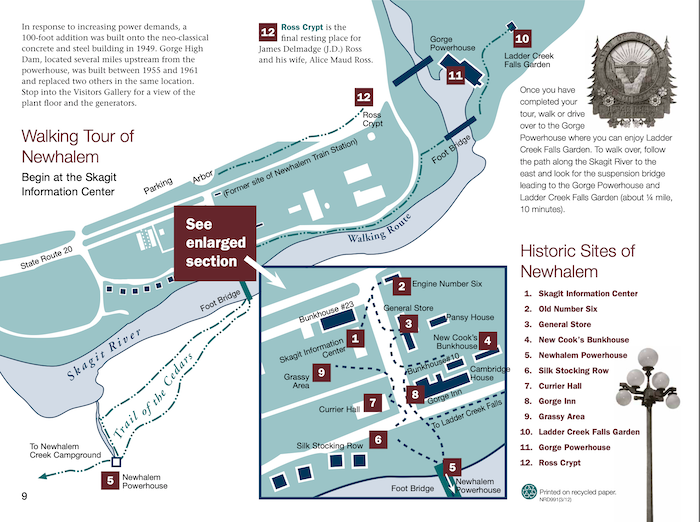
The Skagit Information Center
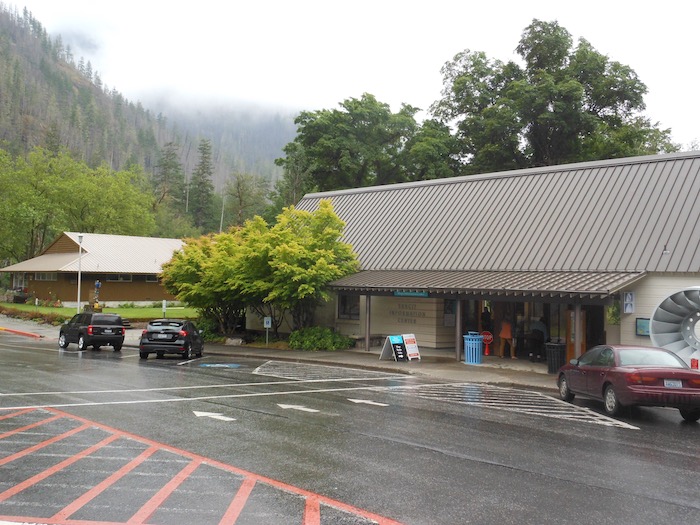
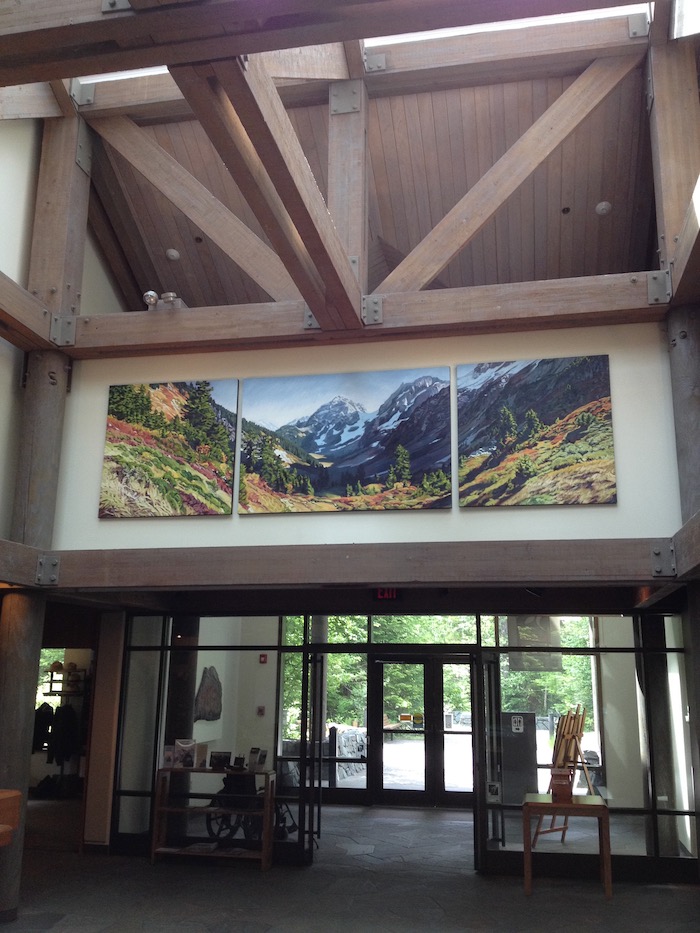
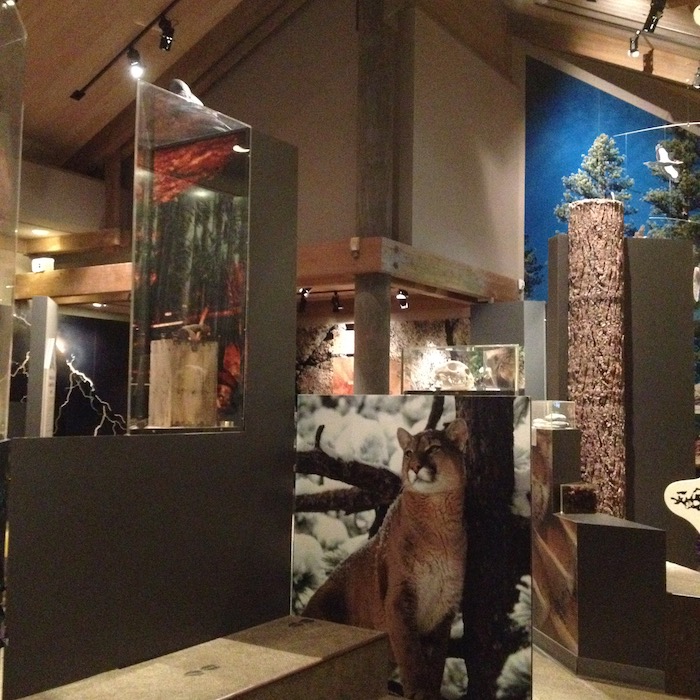
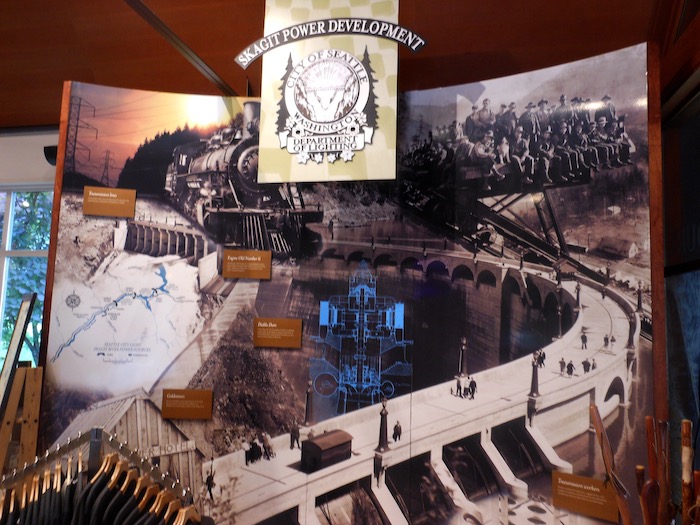
We like to begin our walking tours with a visit to the Information Center, which was constructed in 1999 to serve a new generation of tourists and provide information to visitors to the North Cascades National Park and Ross Lake National Recreation Area. The building was designed to blend with the architecture of Newhalem and the surrounding landscape. The beautifully designed interior includes excellent graphic displays of facts and history related to the town and the Skagit Hydroelectric Project, and which I credit for much of the information in this story.
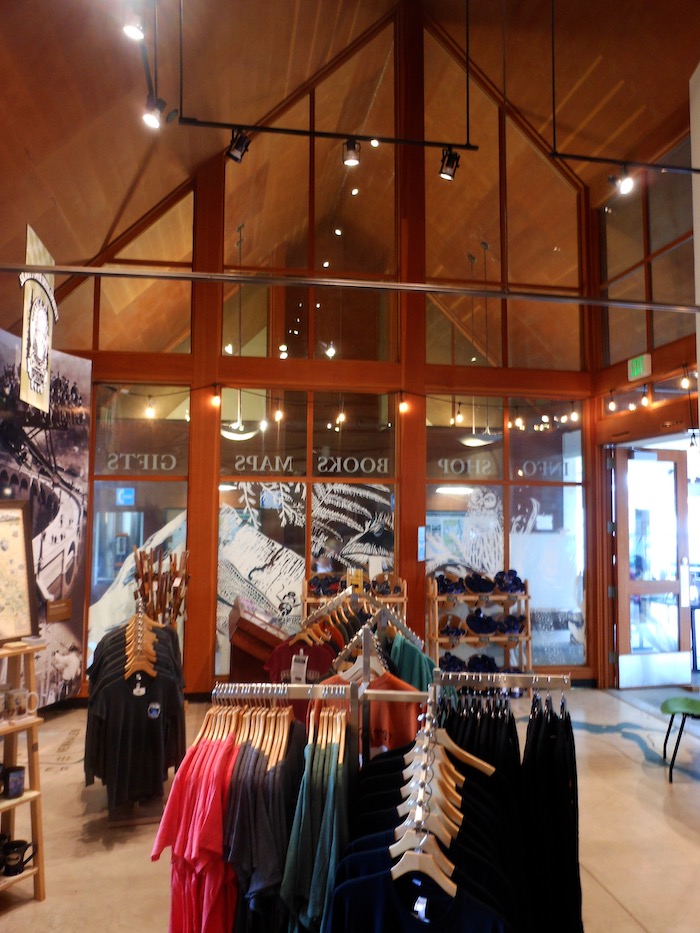
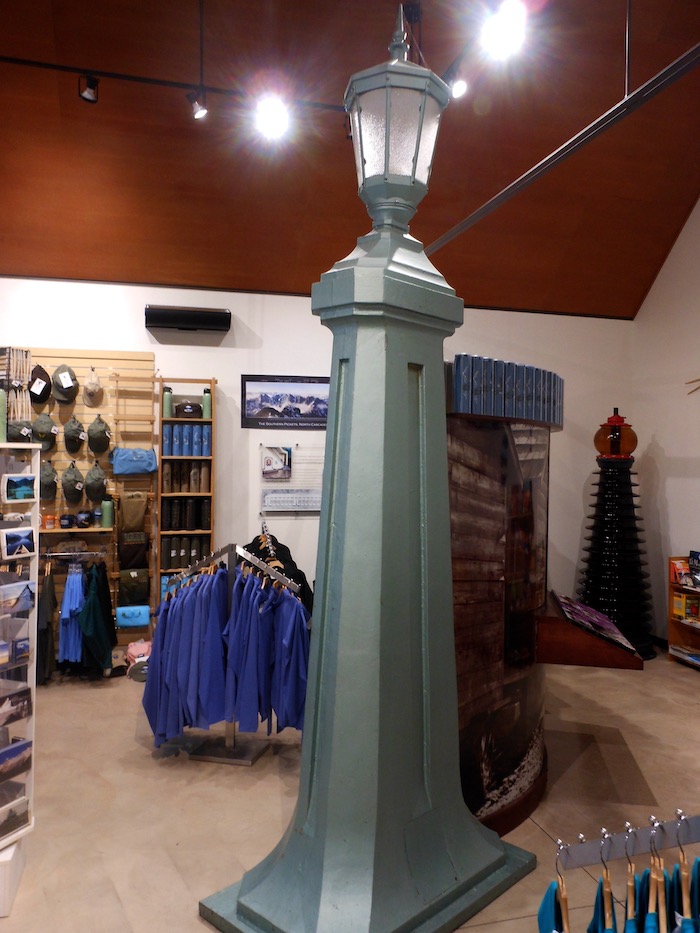
Bunkhouse #23
Next to the Information Center (back toward the highway) is Bunkhouse #23. Originally built in 1920 to house construction workers, it still provides lodging for City Light employees temporarily working on Skagit Project facilities.
Old Number Six
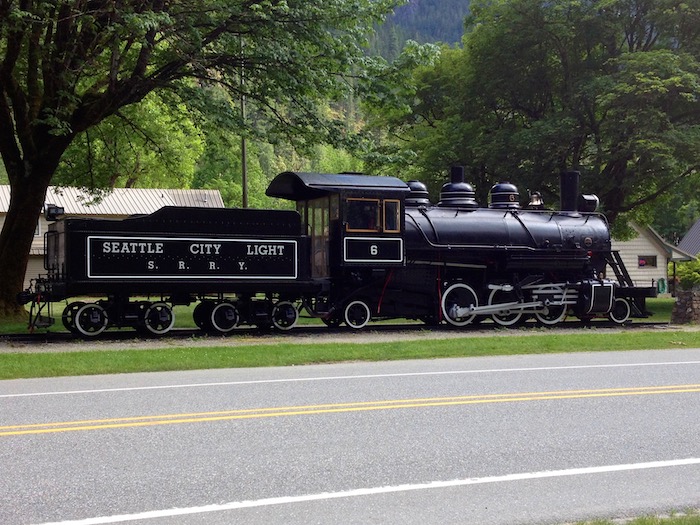
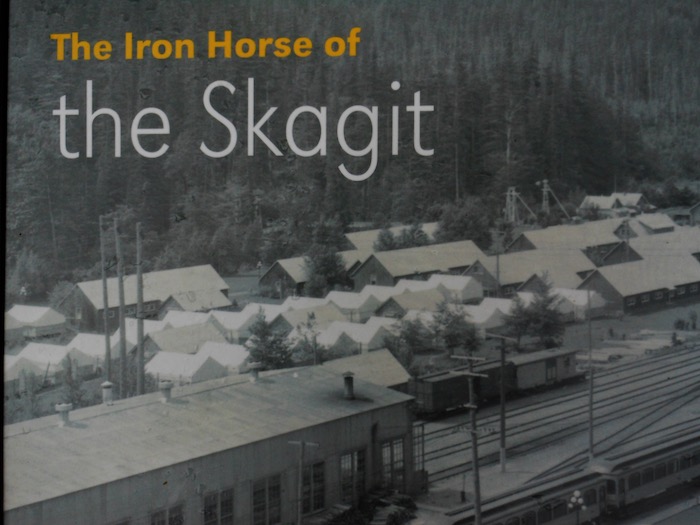
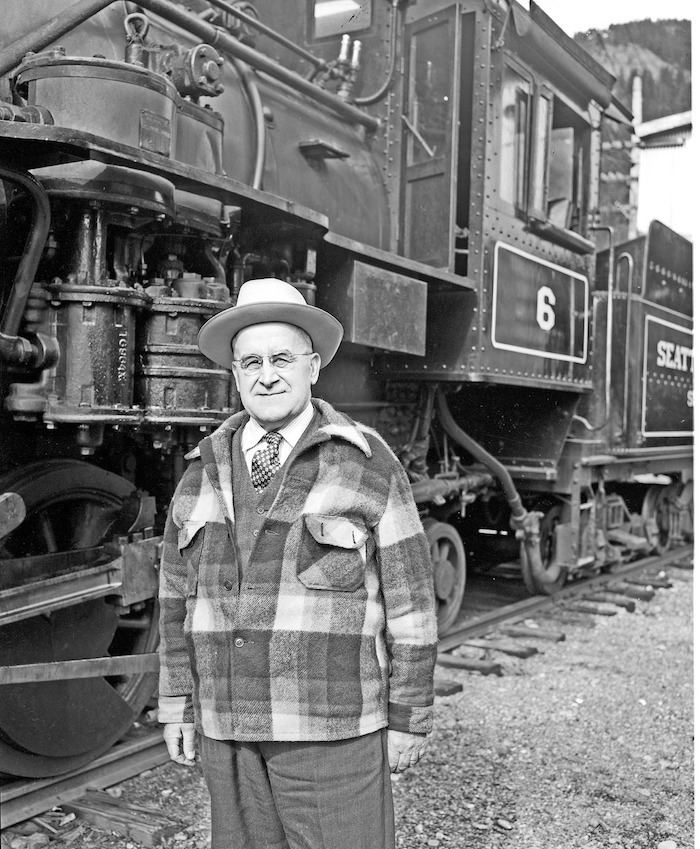
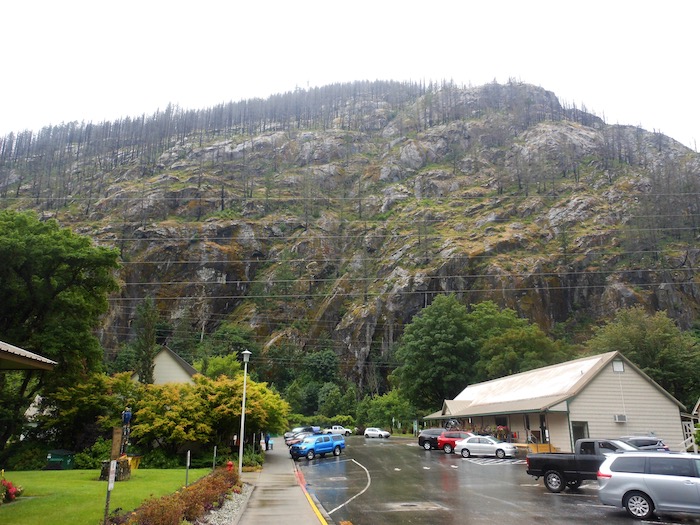
Driving past Nehalem, one landmark feature you can no more miss than the sheer rock cliffs towering over it is Old Number Six, a Baldwin steam locomotive that played an important role in the construction of the Skagit Project. It operated on Seattle City Lights’ Skagit River Railway, which ran 23 miles from Rockport to Newhalem, and later extended to Diablo. The railroad, under construction in 1920, was built to carry construction materials, equipment, and workers to the towns, dams, and powerhouses. Starting in 1924, it also transported tourists visiting the area. By 1940, the U.S. Forest Service had developed a passable road to Newhalem, but travel to the area by passenger car was not common until after World War II when the road was improved as part of the state highway system. The locomotive operated until the railroad was removed in 1954.
The General Store
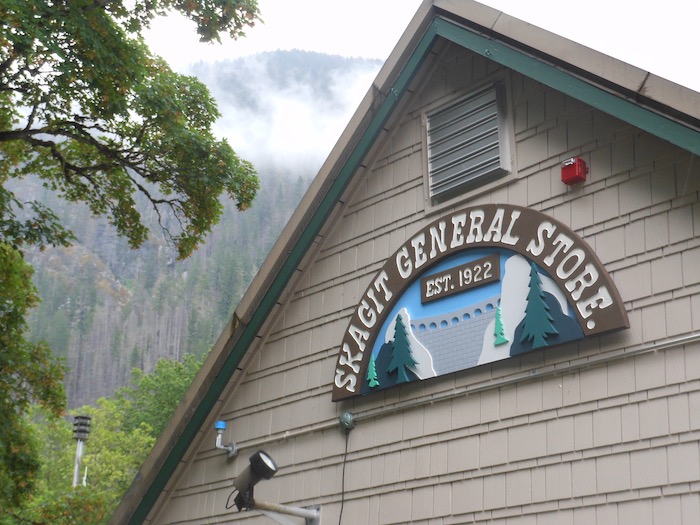
Directly across from the Information Center is the General Store. Designed and built in 1920, it is one of four buildings on Main Street dating to the town’s early development. Employees paid for items using scrip (a substitute for cash). The company store serves residents and visitors today. Chocoholics take note: the General Store has a reputation for its homemade Skagit fudge.
The Bunkhouses
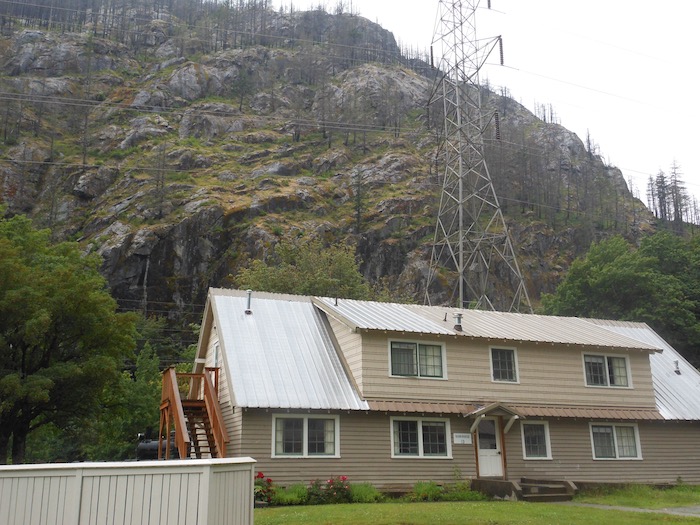
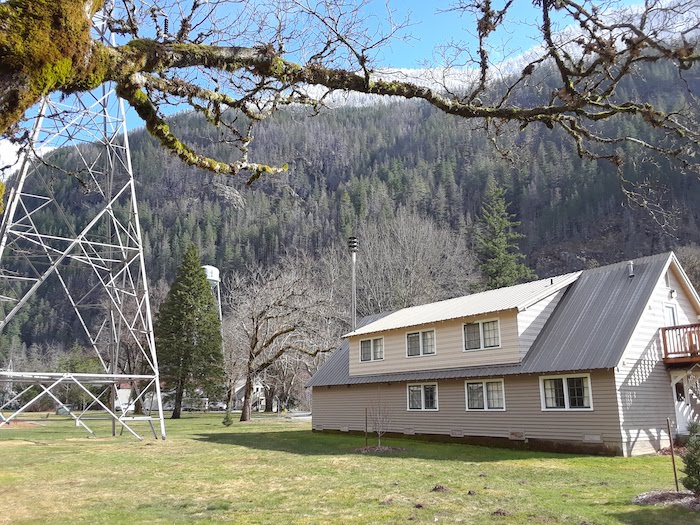
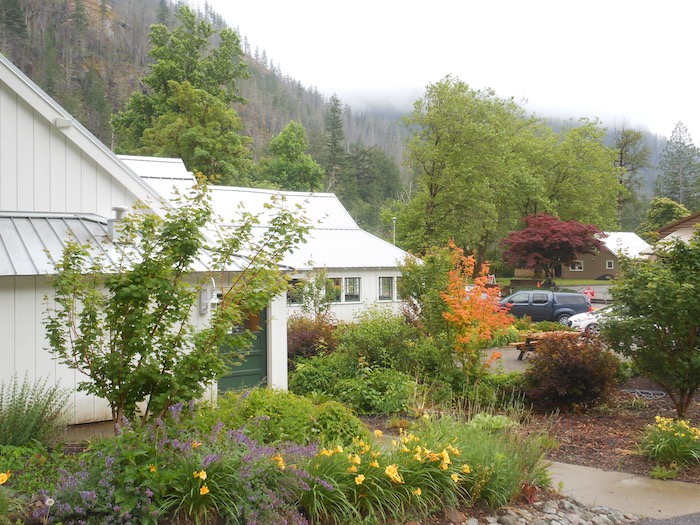
Numerous bunkhouses were built east of Main Street (behind the General Store) to house tourists in the summer and project workers during the winter months. One of four remaining bunkhouses, the New Cook’s Bunkhouse, was built in 1921 and converted in 1990 into a wildlife research station for the National Park Service. The nearby Cambridge House was converted into a community library in the 1990s and now serves as offices. The Pansy House initially provided lodging for construction crews. Later, it housed the dishwashing crews who worked in Gorge Inn. After 1934, it was used to house workers’ families. This building represents the second phase of the town’s development during the mid-1930s. It was recently renovated and upgraded.
Currier Hall
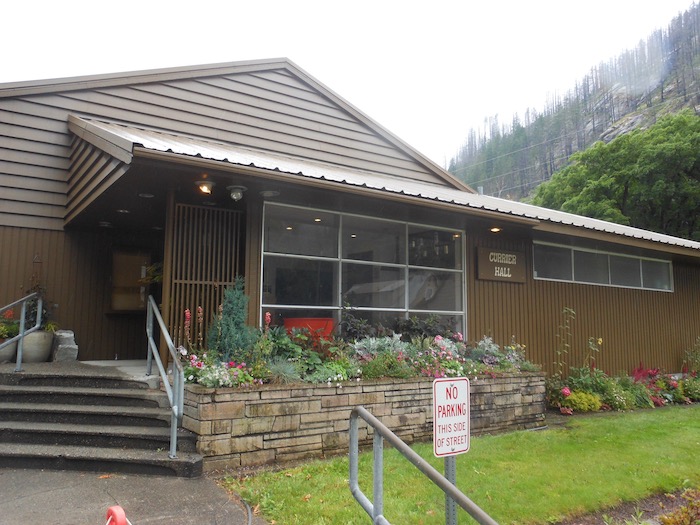
Named for a long-time employee of Seattle City Light, Dana Currier. Currier Hall was built in 1957 and sits on the footprint of the Big Hall, the social center for the town of Newhalem and the site where presentations were given to tourists.
The Gorge Inn

Gorge Inn was built in 1920 as a mess hall for City Light employees working on the project. Tourists (and unmarried City Light workers) ate in this facility from the late 1920s until 1941, when the overnight tours stopped due to World War II. This building represents the early years
of the Skagit Project development and continued to serve employees until the 1970s.
Silk Stocking Row
The first permanent housing planned for operators at the Project, Silk Stocking Row (a common term in construction camps for the most desirable housing) reflects J.D. Ross’ wish
to provide attractive houses in an attempt to make a more contented workforce. Nine houses in variations of four designs following the craftsman/bungalow style were built in the 1920s. These homes still provide housing for Skagit Project employees, and several have been recently renovated.
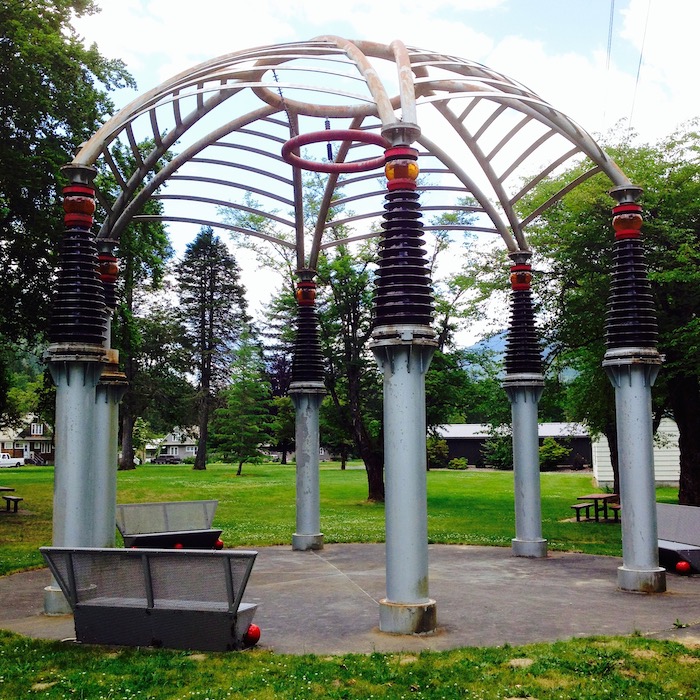
Note: for another perspective on Silk Stocking Row, stroll the grassy area just behind the Information Center. This area once had dozens of tent cabins and wood-frame houses for use by City Light workers. The rows of trees are reminders of the residential roads and paths that existed in this section of town. Garages for the Silk Stocking Row houses were located near the highway and were constructed in 1939 when the road to Newhalem was completed and made it possible for employees to have cars. Made of corrugated iron and too small for today’s cars, the garages were torn down in 2010. They are being replaced with newer structures to serve the needs of current Newhalem residents and blend into the area.
The Trail of Cedars/Newhalem Powerhouse
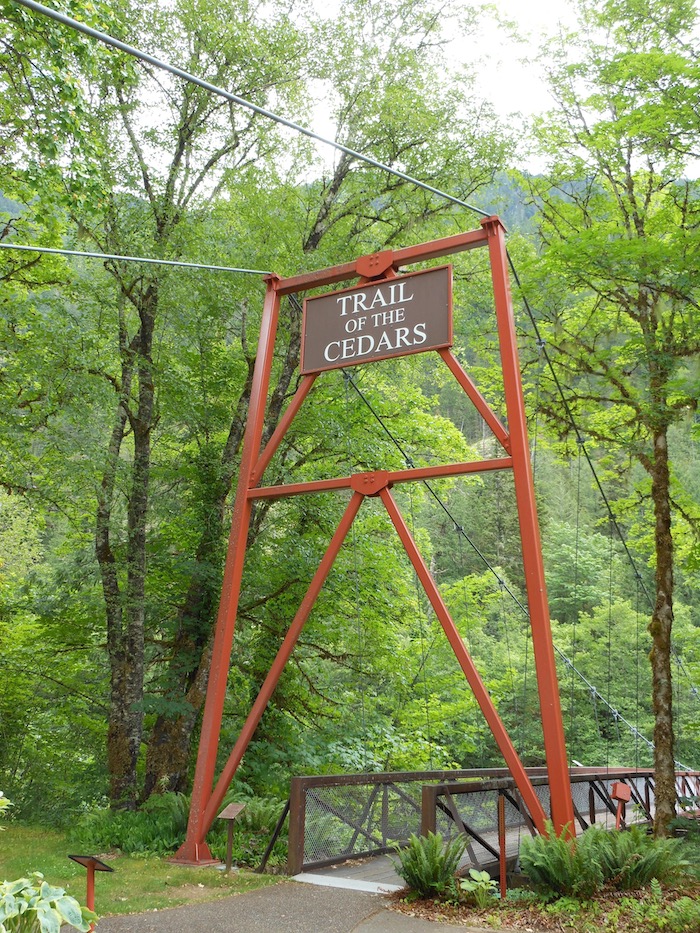
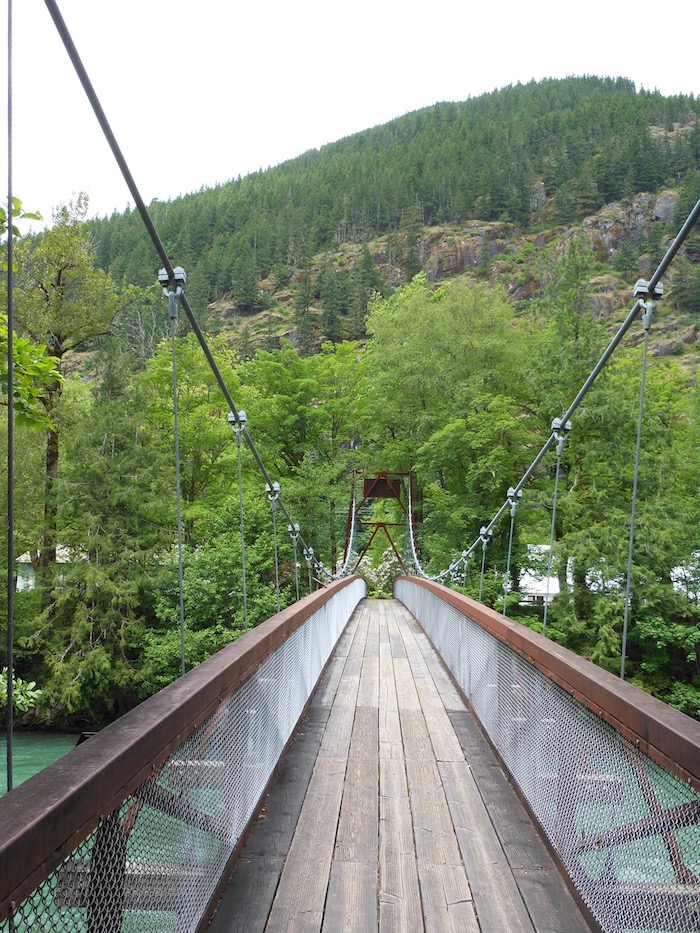
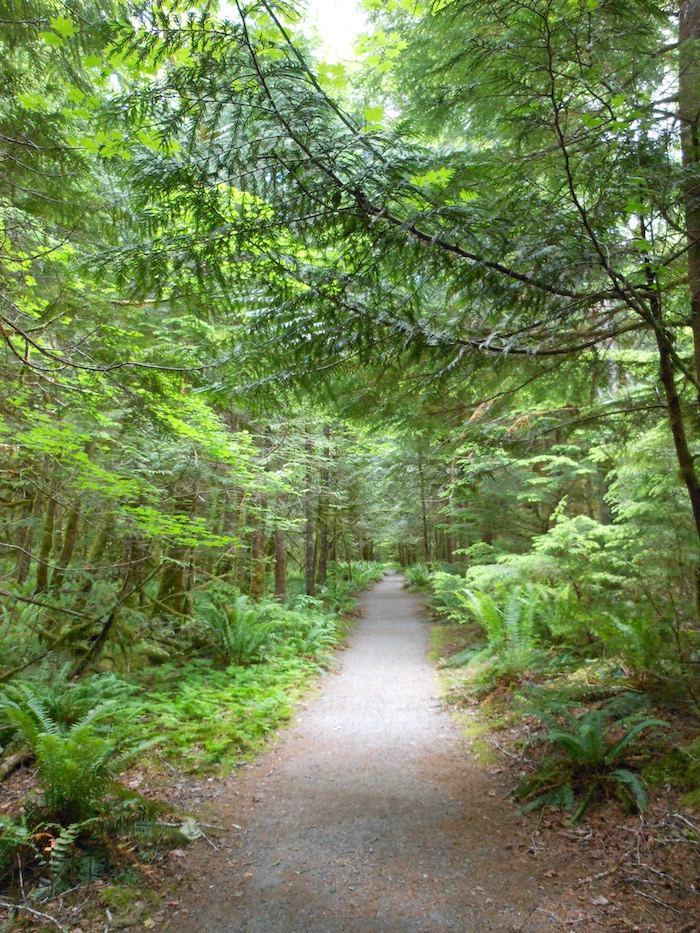
Cross over the Skagit River at the end of Main Street on a very impressive suspension footbridge and admire the power and beauty of the river. You’re now on the Trail of Cedars through an evergreen forest that leads to the oldest operating power plant in the Skagit Hydroelectric Project: the Newhalem Powerhouse. It originally generated energy for the Gorge Dam construction. Give yourself a good 40 minutes for this one mile round-trip path.
The Gorge Powerhouse

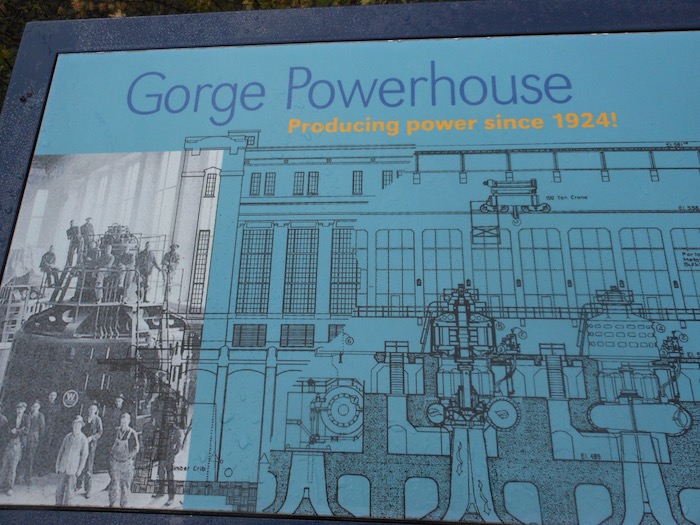
Cross back over the suspension bridge to Newhalem and take a right and you’ll soon find yourself at the Gorge Powerhouse — the magnificent legacy of J.D. Ross. The first of the three power generation projects built on the Skagit River, the Gorge Powerhouse played an important role in the development of a major regional power supply system. Completed in 1924 and using a Seattle City Light erected transmission line, the powerhouse sent the first electric power from the Skagit Project to Seattle.
Ladder Creek Falls Garden
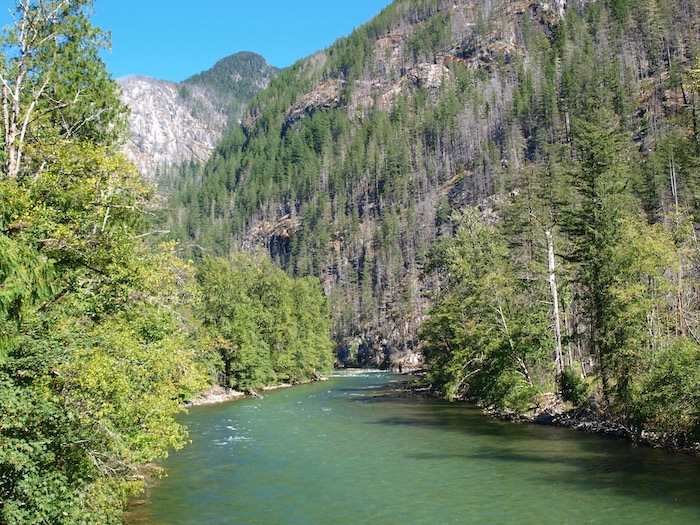
Cross another footbridge over the Skagit River and take the path past the Gorge Powerhouse to Ladder Creek Falls. J.D. Ross’ wife, Alice Maud Ross, planted a garden here. In the 1930’s the Ladder Creek Falls Garden, with its tropical plants and evening light and music show (three decades ahead of the ‘60s, mind you) was a highlight for visitors to the Skagit Hydroelectric Project. Sadly, many of the plants required over wintering in greenhouses and dedicated care and did not survive due to manpower shortages during World War II. However, the trail through the gardens, as well as the associated pools and bridges, are still present, enhancing a noteworthy display of established native plants, and designed and cared for by today’s City Light gardeners. In 2011, Seattle City Light restored the historic light show using energy-efficient LED lights to create a spectacular display. Continue along the trail for 1⁄4-mile for incredible views of waterfalls in a narrow slot gorge.
The Other Side
I have an 11th hour confession to make: while I have walked the paths described above on a number of occasions (this is, after all, my favorite day trip), I’ve missed a final historic landmark on the other side of Highway 20 from town. Look for the arbor in the parking lot and follow the path to the Ross Crypt — the final resting place of J.D. and Alice Maude Ross. The symbolism of having ones earthly remains interred within sight of the monument to ones vision may strike some as a trifle pharaonic. But then, J.D. Ross accomplished some mighty deeds that forever changed our lives in the Magic Skagit. And you have to admit that the residents of the company towns of Newhalem and Diablo fared a whole lot better than the Hebrews of old. If any of the homes on Silk Stocking Row comes on the real estate market, I just might have to submit a bid.
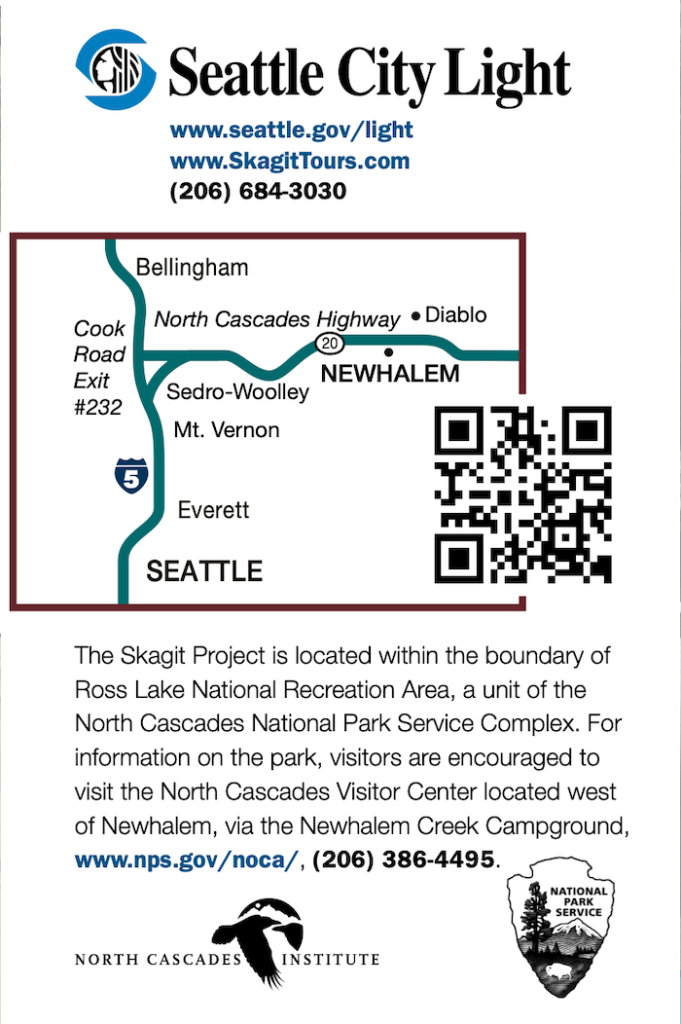
Credits: Most of the information in this article was taken from online resources available through Seattle City Light and Skagit Tours. For info on how best to plan your tourist activities during The Great Pandemic, contact these organizations through the phone numbers and web addresses above.