Tales From the Magic Skagit: Of Time and Chance — The Legacy of Northern State Hospital
I returned and saw under the sun that— The race is not to the swift, Nor the battle to the strong, Nor bread to the wise, Nor riches to men of understanding, Nor favor to men of skill; But time and chance happen to them all. Ecclesiastes 9:11 (KJV)
In the story of Northern State Hospital, located just outside of Sedro-Woolley off Hwy. 20, it turns out that contrary to scripture the effort to outpace the ravages of time to what was once home to a community of nearly 3,000 mental patients does in fact go to the SWIFT. But in this case, it is not the fleet of foot that we refer to, but rather to a “Interlocal Agreement” whose acronym optimistically stands for the “Sedro-Woolley Innovation for Tomorrow (SWIFT) Center.”
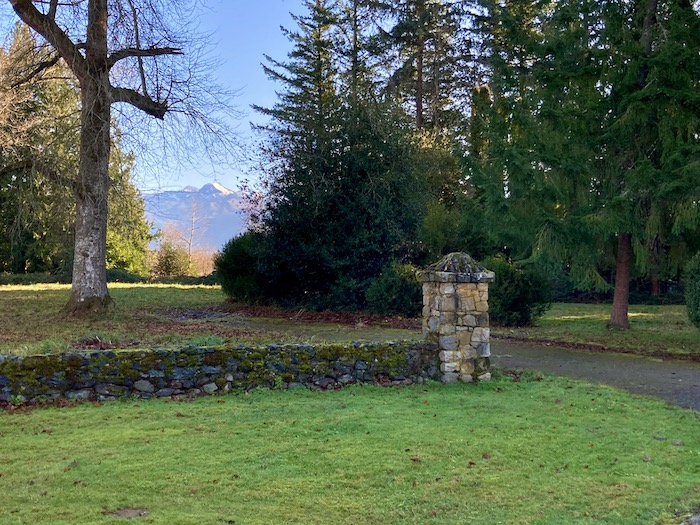
The story of Northern State Hospital and its evolution is certainly one of “time and chance,” and it is one in which Meyer Sign & Advertising has played a part — both personally and commercially.
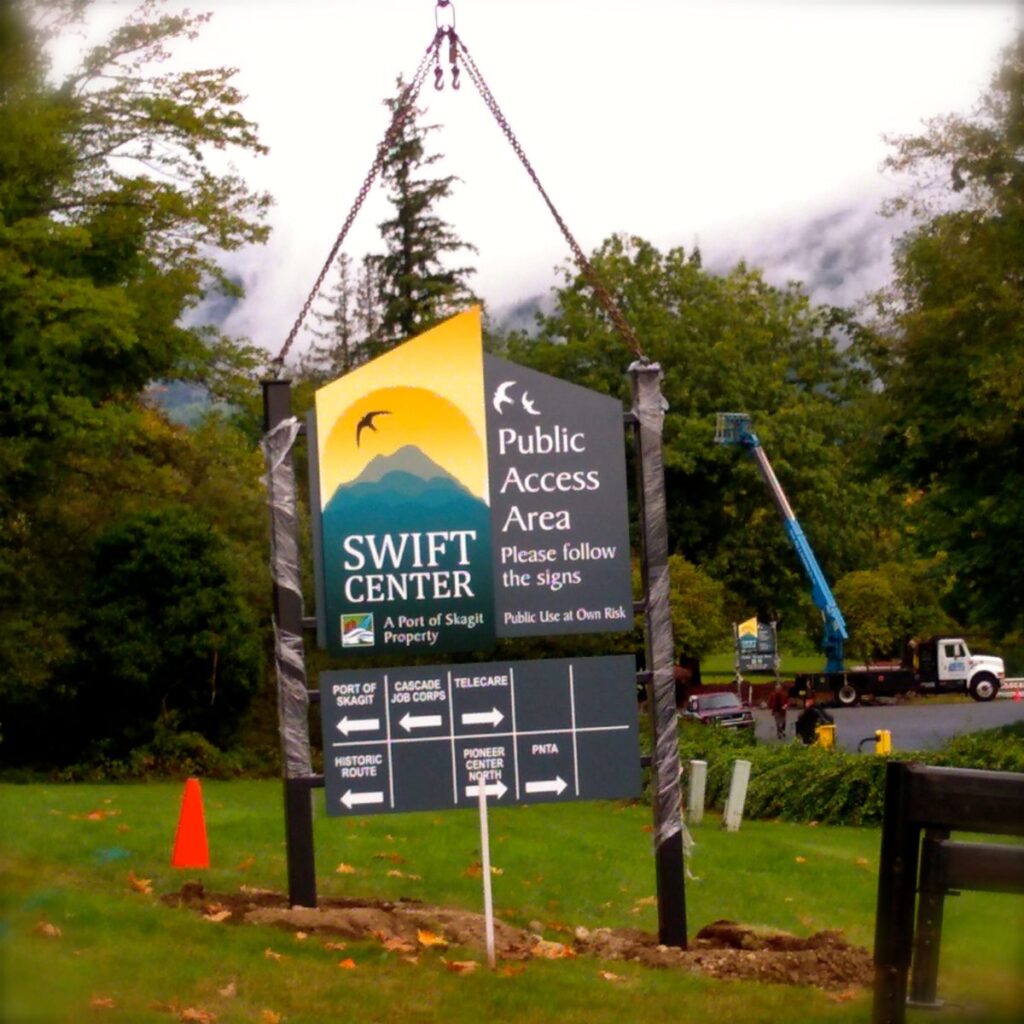
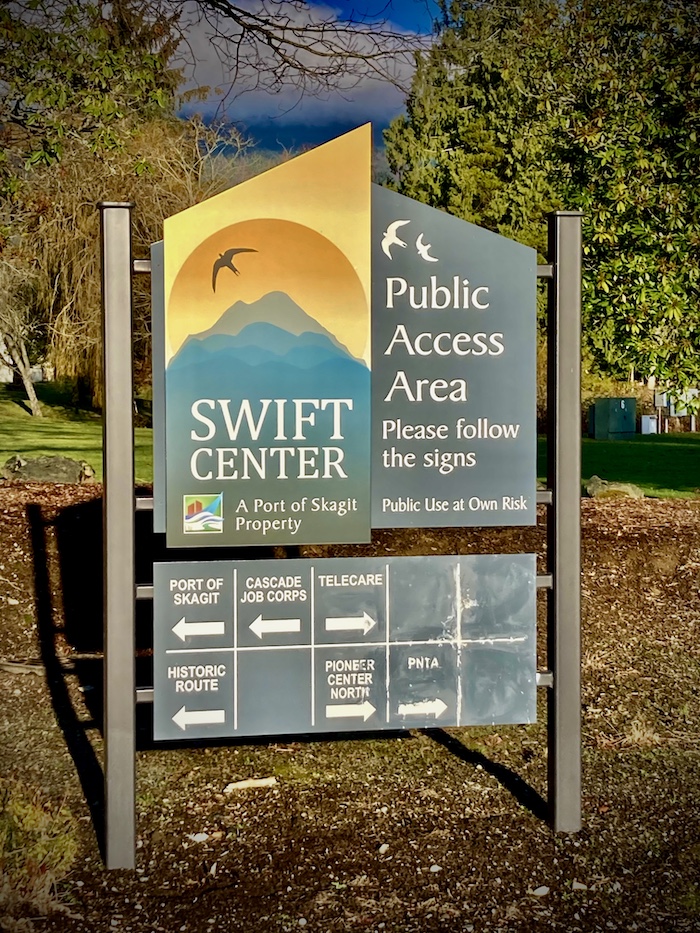
Back in October 2019, we published a story about a signage project we were completing in Sedro-Woolley at the site of the Northern State Hospital — now christened the SWIFT Center through a partnership between the City of Sedro-Woolley, Skagit County, and the Port of Skagit. The goals of this partnership are ambitious, with a vision of both economic and recreational development that will benefit Skagitonians well beyond the Sedro-Woolley city limits.
(For more insight into SWIFT, as well as a little of the history of Northern State Hospital, check out our story, “Still Crazy After All These Years”).
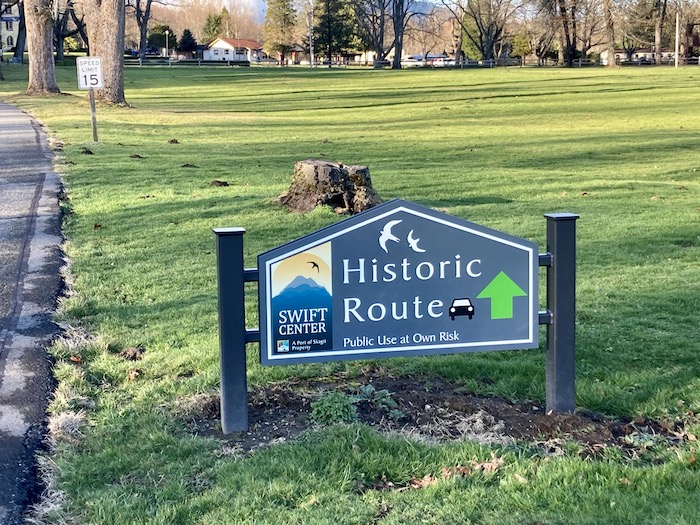
The SWIFT Center project was a significant one for us: an entry sign and 17 directional signs. But its significance went beyond its commercial value. Given our history in the Magic Skagit, the project was a deeply personal one as well. It just so happens that during the course of his high school career, Meyer Sign owner Ken Hitt worked for the farmer who leased the fields and dairy buildings that are a part of the 225-acre site.
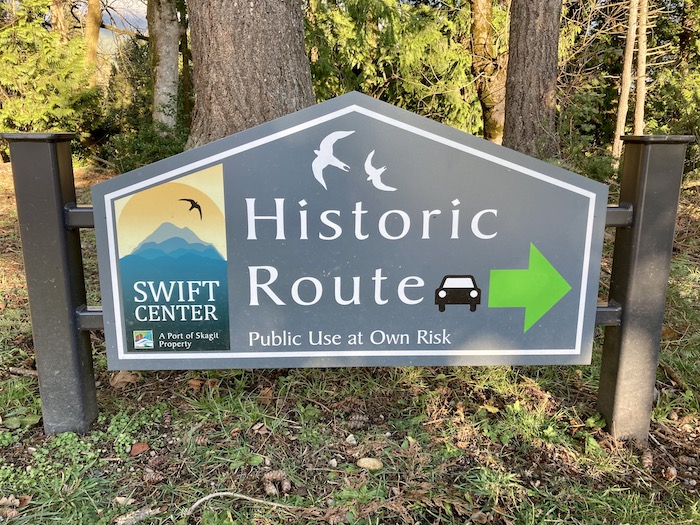
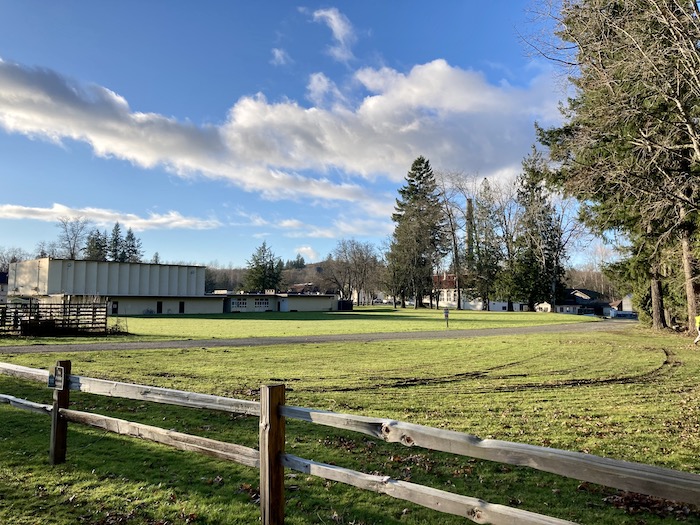
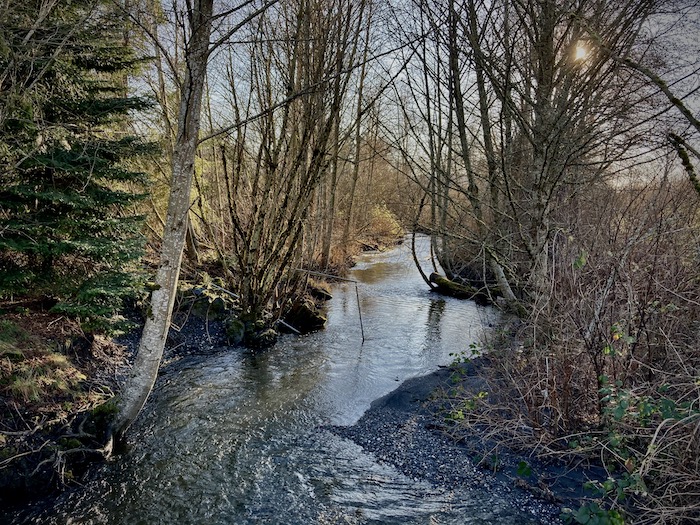
The major purpose of the signs we fabricated and installed is to guide visitors throughs areas of the site that were formally off limits to the general public following the hospital’s closure in 1976. For years, the paths that remained accessible were limited to areas in and around existing farm structures, many of which are crumpling back into vine choked earth — dust to dust, to stay with our biblical motif. Thanks to SWIFT, however, you can now walk through environmentally protected woods and meadows and cross the Farmstead Bridge over Hansen Creek, a designated salmon habitat. And that is just the beginning.
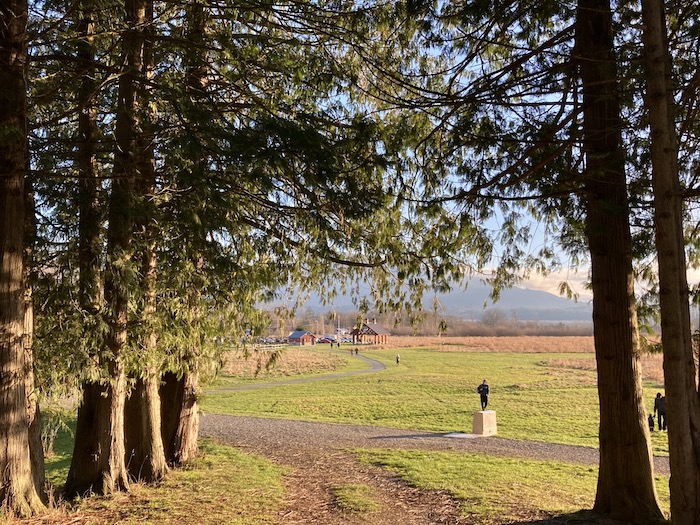
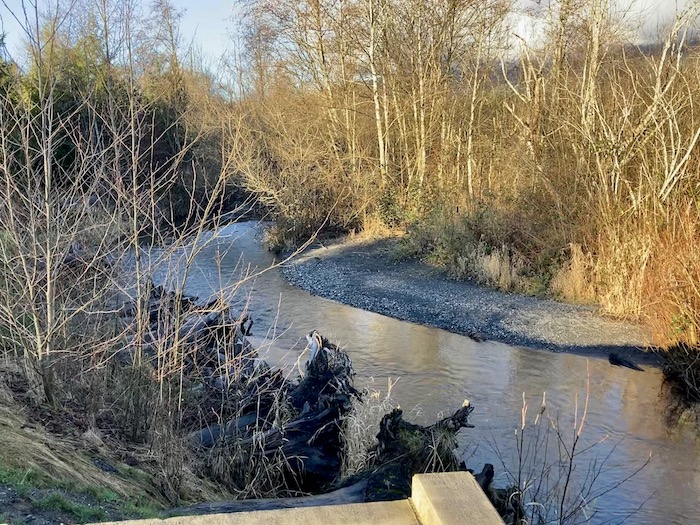
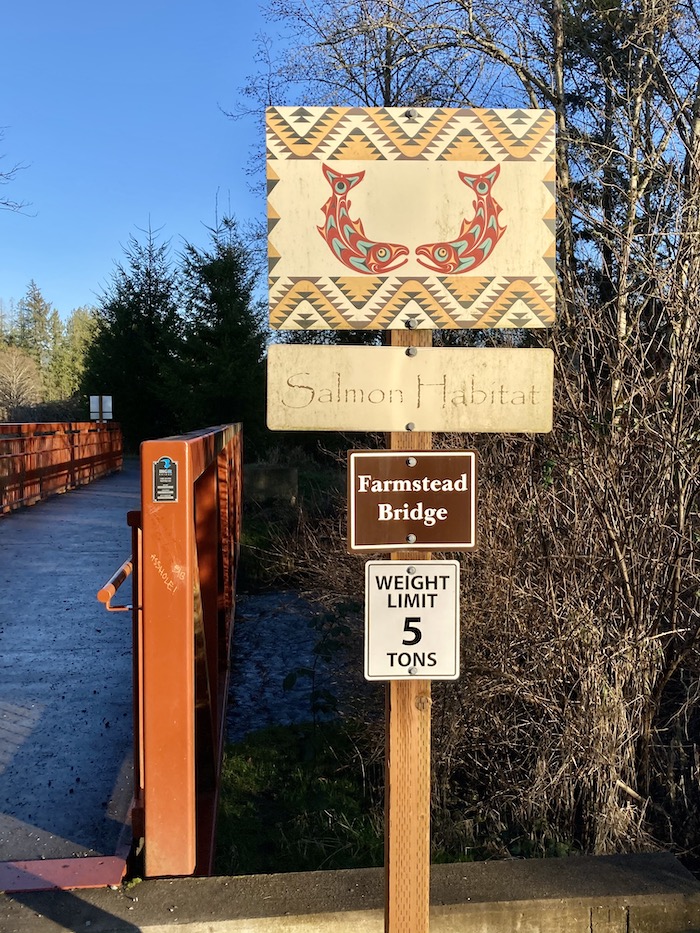
My wife and I took advantage of the last sunny day in December in The Year of The Great Pandemic (aka, 2020) to visit the SWIFT Center. We were both suffering from cabin fever, it was the day after Christmas, and I had yet to see our completed Meyer Sign project — so anticipation was high on all levels. That said, I have to tell you that the experience far exceeded my expectations. This has been a common refrain during my years in the Magic Skagit, but transcendent experiences are something we can all use a dose of these days — especially as we await our COVID-19 vaccines.
Walking the grounds of the SWIFT Center is simultaneously a communion with the restorative power of Mother Nature and a journey through time — either of which experiences warrants a trip to the site. In addition to folks who love a good hike, dog lovers will be pleased to know that their canine companions are allowed (on leash), so expect to encounter some very happy pooches and their handlers. And just to add another recreational element, there is an outstanding disc golf course — so be on the lookout for low flying plastic objects of terrestrial origin.
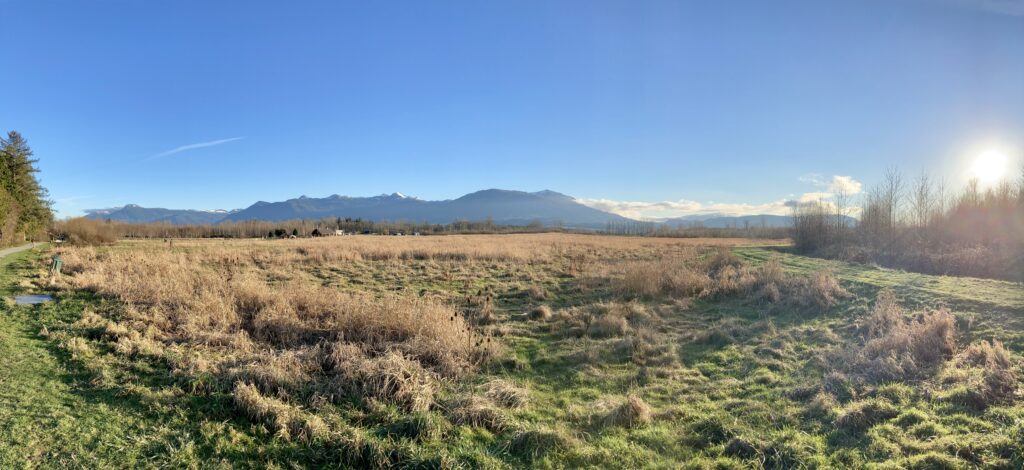
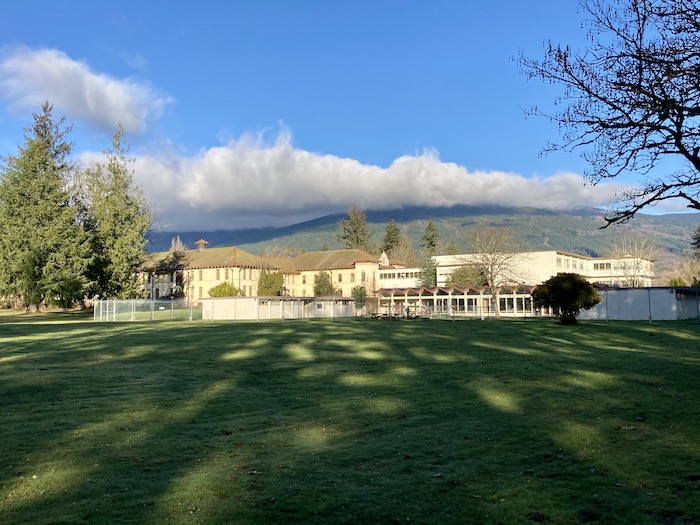
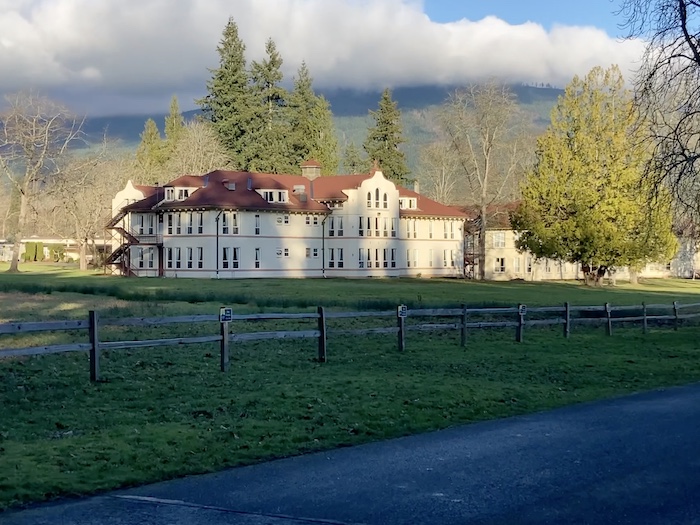
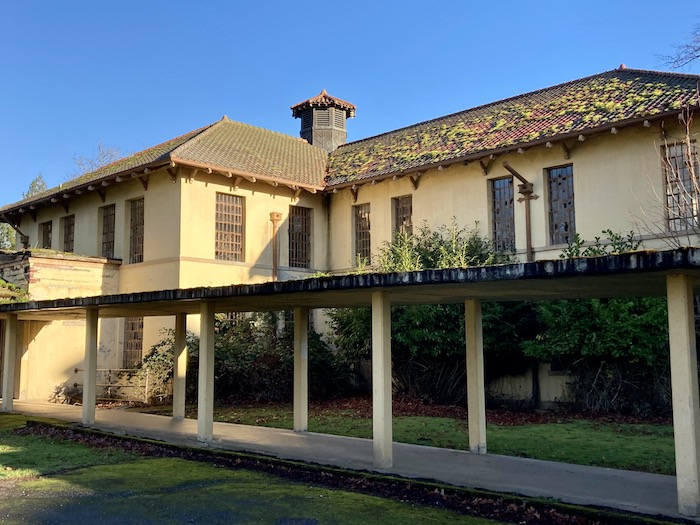
There are some really lovely vistas to be had as you walk the grounds of the former hospital. On a bluebird day the views of the Cascades form the backdrop to long rambles through sun dappled pastures and woods. And then there’s the history of the place, which comes alive through buildings that, thanks to the organizations that have taken up residence there, are being saved from decay. Today’s corporate “inmates” include Frontier Communications Northwest, Inc., Janicki Bioenergy, Pioneer Human Services, Telecare Mental Health Services of Washington, Inc., and the U.S. Department of Labor–Cascades Job Corps.
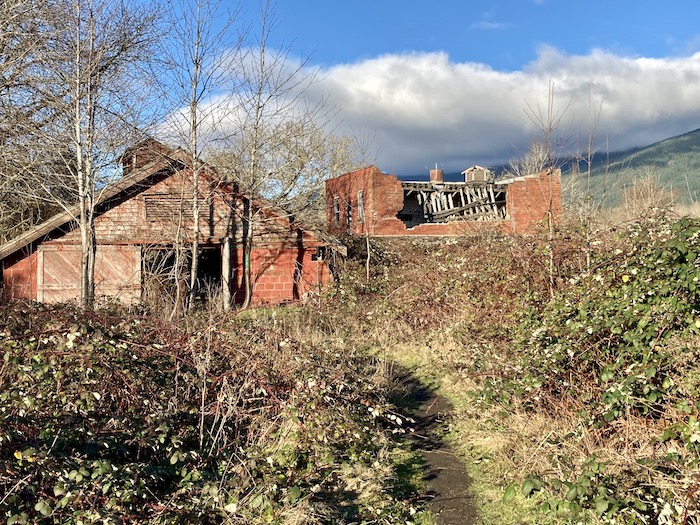
Northern State Hospital was once the largest facility for mentally ill people in Washington State. Established as a hospital in 1909, after conditions of over-crowding at Western State Hospital became the subject of public criticism, Northern State Mental Hospital was a town unto itself. Its grounds were designed by the Olmsted Brothers (Charles and Frederick, Jr.), whose famous father, Frederick Law Olmsted, designed New York City’s Central Park as well as the landscaping for the Chicago World’s Fair in 1893 (the elder Olmsted is prominently featured in historian Eric Larson’s bestseller, “Devil in the White City”), and his sons designed the grounds of our very own Woodland Park Zoo in Seattle (see our story from 2020)
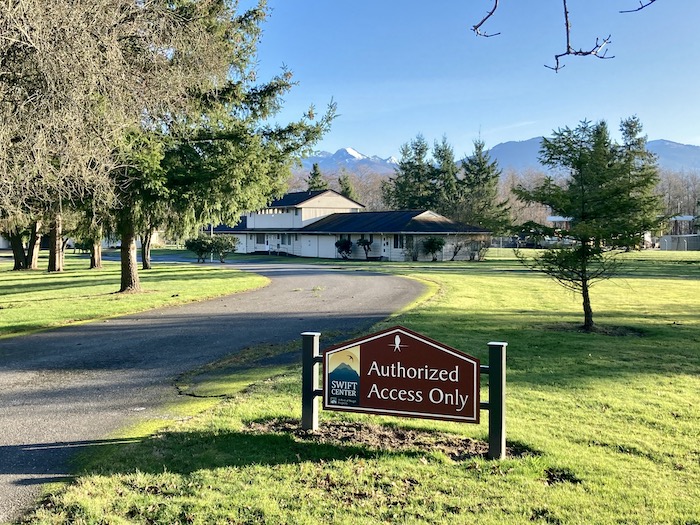
The architects for the hospital facilities worked in close collaboration with Northern State’s farm superintendent to create a self-sustaining and therapeutic colony for the mentally ill. The hospital site included patient and staff housing, a water reservoir, sewage system, lumber mill, quarry, steam plant, greenhouse, canning facilities, gymnasium, library, laundry, dining room, bakery, dairy, and a 700-acre farm for growing vegetables and raising livestock. A cemetery was also included in the site plan.
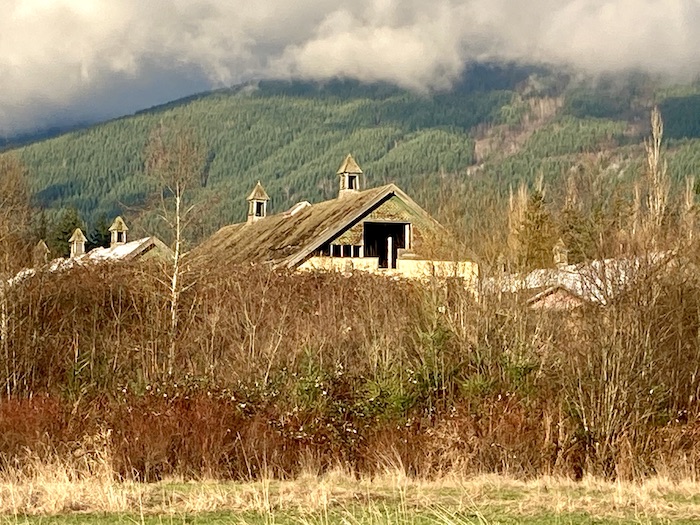
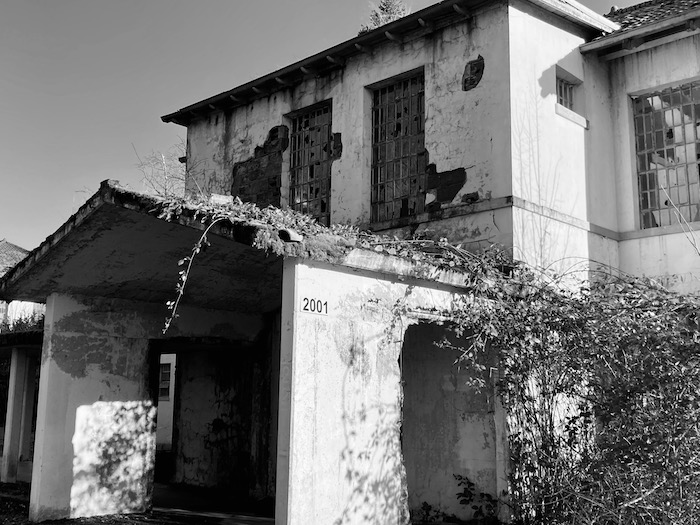
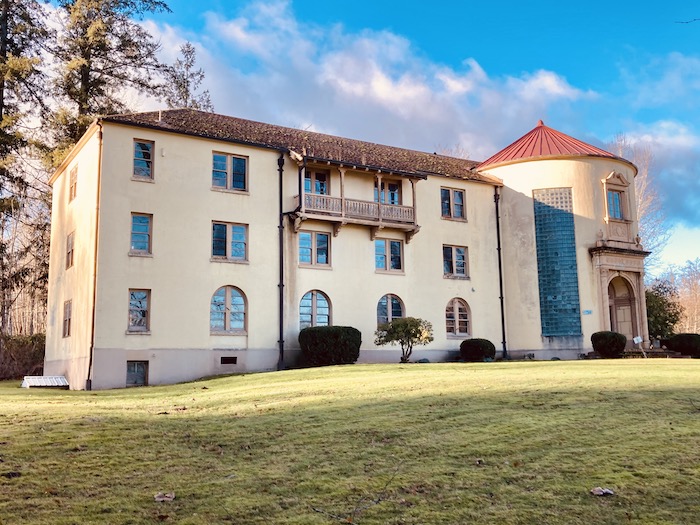
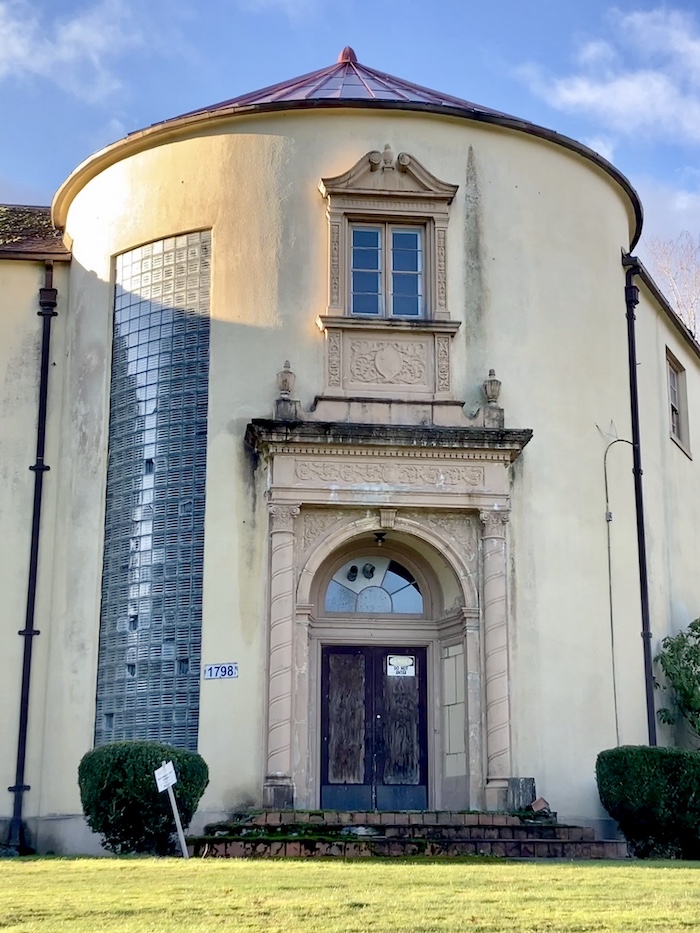
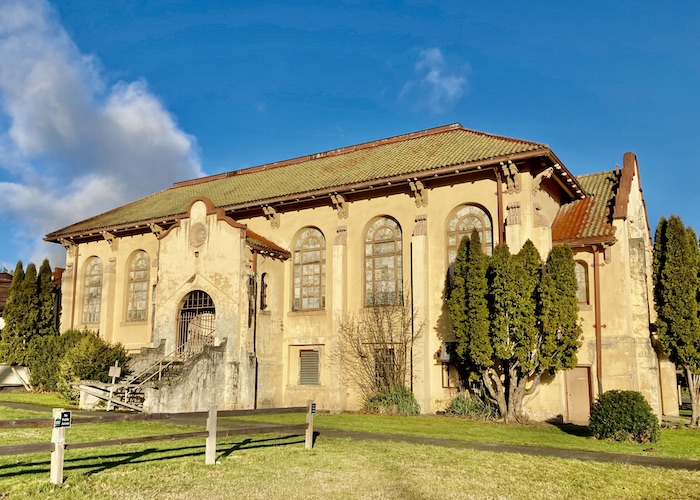
While many of the original buildings have fallen into various degrees of disrepair, you can still appreciate the architectural style that permeates the existing structures. And the architecture alone is worth the visit. While I can’t speak with authority on the subject, the hospital buildings are of an era during which an architectural style known as “Renaissance Revival” was popular. An excellent example of that style exists in Portland, Oregon in the form of the Kennedy Elementary School. The original school was opened in 1915 and would most likely have been demolished had it not been renovated by the McMenamin Brothers as a hotel, restaurant, brewery, and event center.
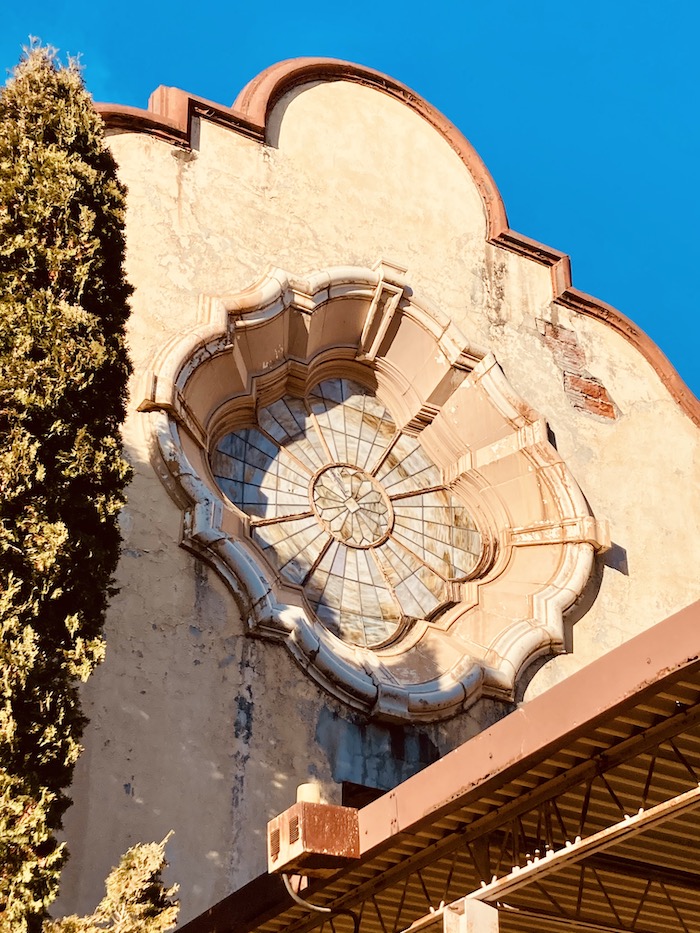
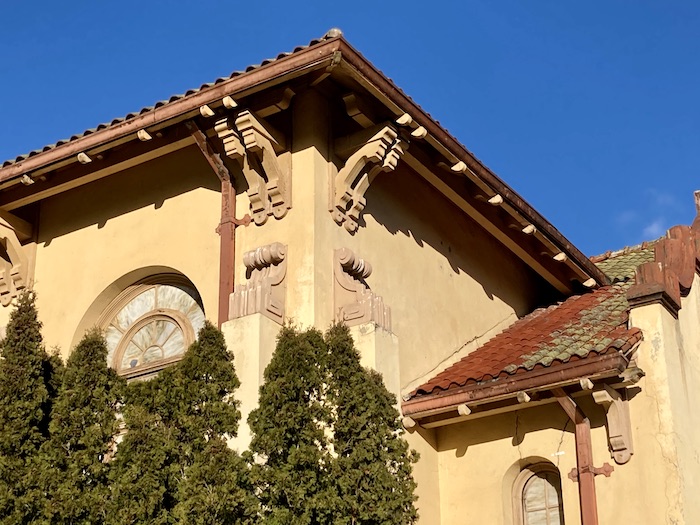
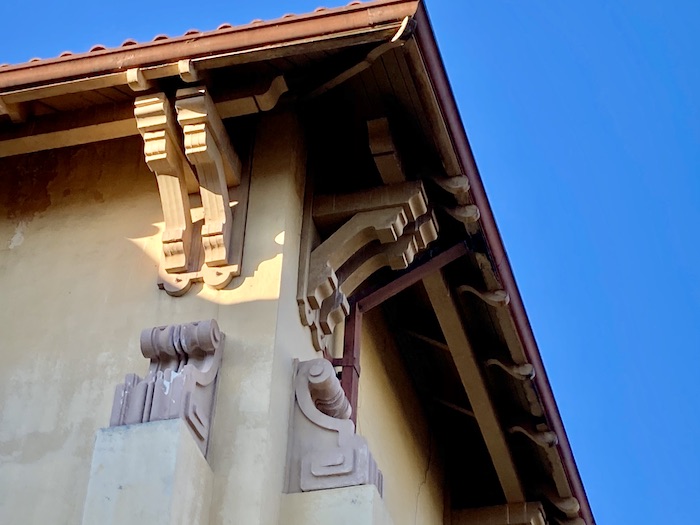
I have to say that I was pleased as punch to walk the SWIFT Center grounds with a multitude of my company’s signs to guide my way, and being such a short drive to one of my favorite little towns in the Skagit Valley (I’m talking about you, Sedro-Woolley!) it makes for a delightful getaway, especially combined with a stop at a local eatery. And remember, the day will come when we can actually opt for something other than the take-out menu.
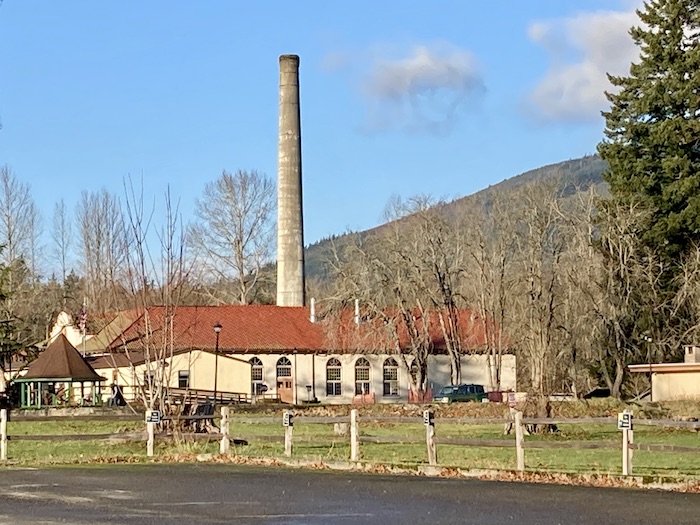
When it comes to an endorsement of the experience that awaits your visit to the Northern State Recreation Area, I’ll leave the last word to Ken Hitt: “There is a ton of history with this place…and since I was crazy enough to get into the sign making business, I’m surprised I wasn’t admitted back when I worked there.”
I’m not touching that statement with a ten foot pole, other than to say that I believe everything the boss tells me. I know which side my bread is buttered on. After all, I’m not crazy…and no sane person could possibly visit the SWIFT Center and not thoroughly enjoy the experience. Put it on your 2021 “to-do” list.
Note: for a “virtual tour” of that portion of the Northern State Hospital site now inhabited by the Cascade Job Corps Center, visit their website at cascadesjobcorpscca.com