Woolley Bully — A Love Story
A Very Personal Connection
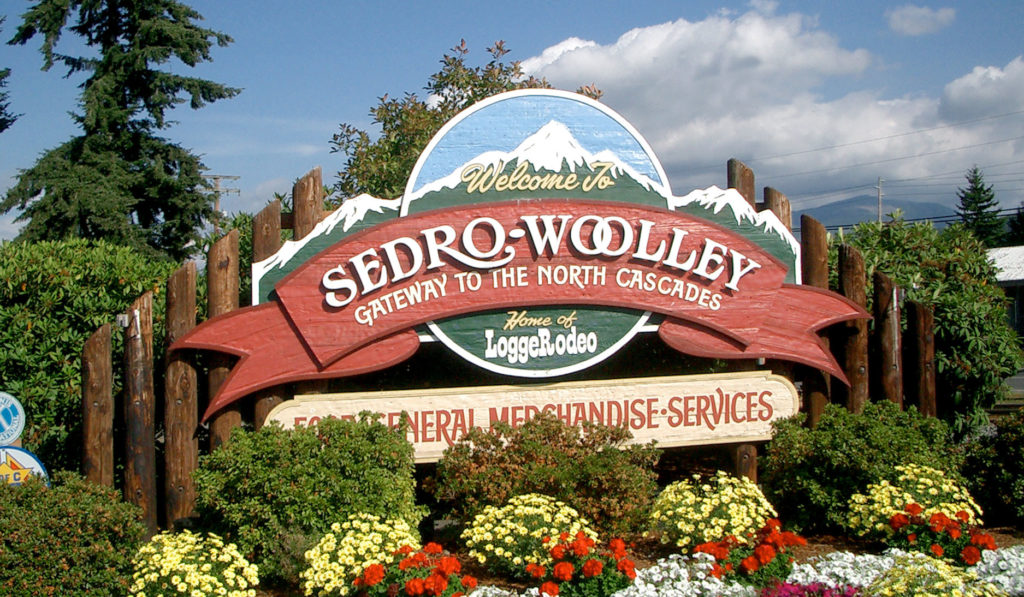
I have a special place in my heart for Sedro-Woolley. For starters, it was the gateway to the Skagit Valley home where my wife and I have now resided for the past six years. Our daughter first came to Sedro-Woolley as an AmeriCorps volunteer, serving as a literacy resource specialist at Mary Purcell Elementary School. It was there that she caught the eye of a young sixth-grade teacher. As a result of that encounter I can thank Sedro-Woolley for a son-in-law who, if we lived in a culture where arranged marriage was the norm, I would have been proud and delighted to have chosen as the life partner for my youngest child.
During the first several years of our daughter’s marriage, we made a number of visits to the Skagit Valley, and “Woolley,” as we fondly referred to it, was always a part of our itinerary. At the end of her two-year stint in AmeriCorps our daughter earned her teaching credential at Western Washington University; and by the time the first of our two grandsons was born, we had made the decision to leave our home of 18 years in Boise, Idaho to become a continuing presence in our grandchildren’s lives. Which, of course, meant that we could visit Sedro-Woolley whenever and as often as we liked.
The Little Town that Could
Aside from the personal connection, there are a great many things I’ve come to love and admire about Sedro-Woolley, which I like to refer to as “the little town that could.” Like a lot of rural towns throughout our country whose economies were gut punched by the vicissitudes of resource-based industries such as mining and logging, Woolley has had its share of challenges. But unlike the myriad shuttered Main Streets that litter the rural American landscape, “Woolley” never lost its pluck, or the attributes that have made it proudly, if not stubbornly, resilient. If you’ve ever attended a local Chamber of Commerce meeting, you know what I mean. Sedro-Woolley is a town that believes in itself.
How do I love thee, Sedro-Woolley? Let me count the ways. To begin with, I love communities that keep their past alive…not as some fossilized tourist attraction, but as a vivid reminder of their identity. Sedro-Woolley does this in so many ways. It hosts an annual celebration of its timber industry heritage with its Fourth of July Loggerodeo. Its Christmas parade is the perfect holiday showcase for a downtown that harkens back to its pioneer past. And if you want to take a deep dive into that past, the Sedro-Woolley Historical Museum is the perfect venue.
Proud and Positive
Sedro-Woolley has a vibrant present as well. New restaurants continue to open their doors, and Janicki Industries has been building on its design and manufacturing prowess as a key employer — one that offers far more than just minimum wage jobs. In partnership with Skagit Habitat for Humanity, Sedro-Woolley has also become the location for new affordable housing that provides local families the opportunity to step up to home ownership, offering the multi-generational benefits of equity and stability.
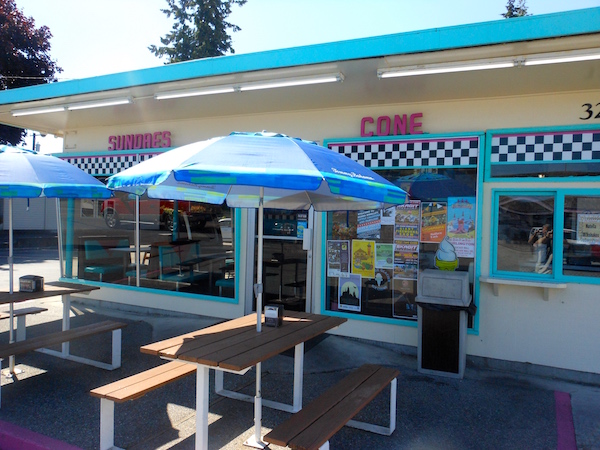
And then, of course, there’s the town itself. Walk the neighborhoods of Sedro-Woolley and you’ll discover not only well-tended homes and yards but an atmosphere of tranquility and welcome. You’d almost expect to run into Andy, Opie, and Aunt Bea. It’s an old fashioned place in the best sense of the term. And if you stop by Hal’s Drive In for a burger, there’s a pretty good chance you’ll catch a glimpse of Elvis.
A Sign of the Times
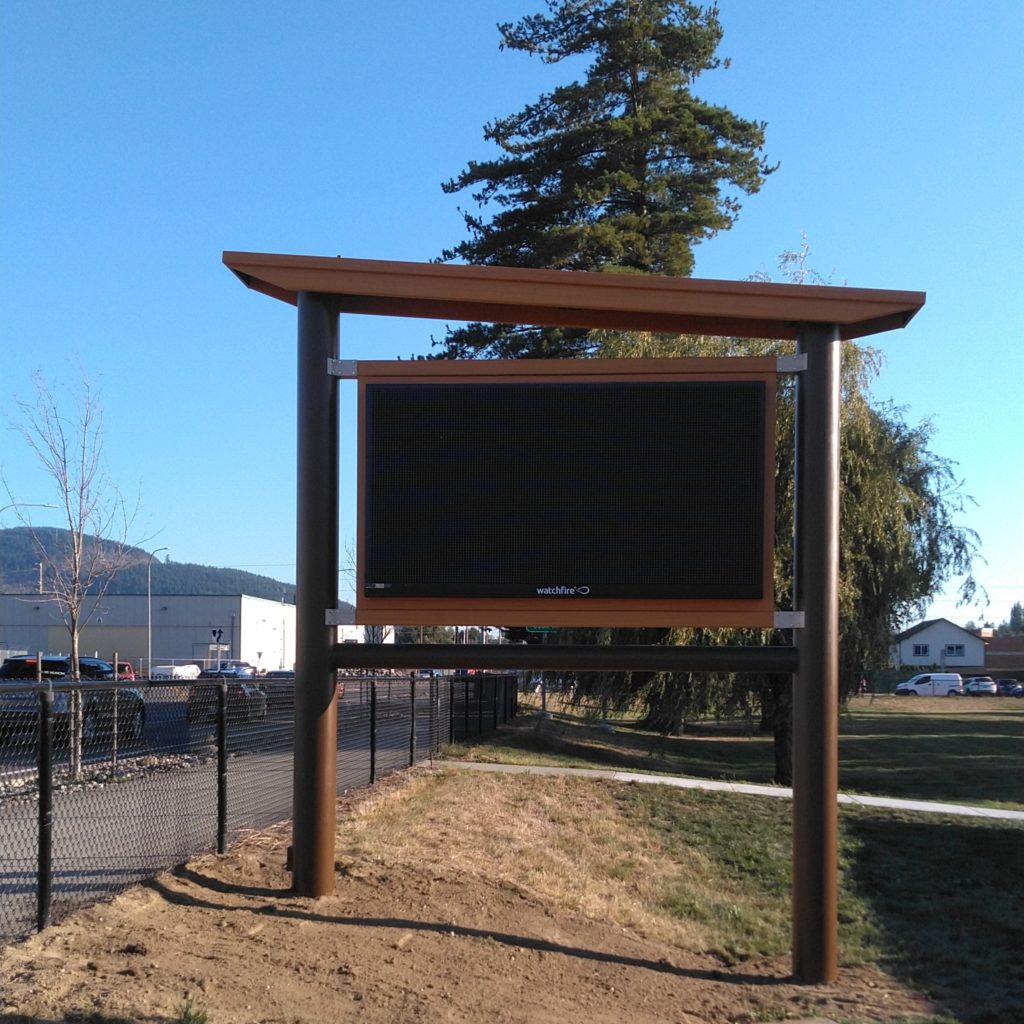
Meyer Sign & Advertising recently had an opportunity to contribute to Sedro-Woolley’s future. Last week we installed the sign that will welcome visitors to Bingham Park, which was donated to the city by Sedro-Woolley Pioneers and the Bingham Family. It includes a playground, restroom, picnic shelter, potable water, a 5-space RV Park, tent camping and open space. It also features a barbecue area that was built to honor longtime city resident and Rotarian Frederick Thompson. The park underwent a major reconstruction in 2014, and we like to think that the sign we created for it does its heritage justice.
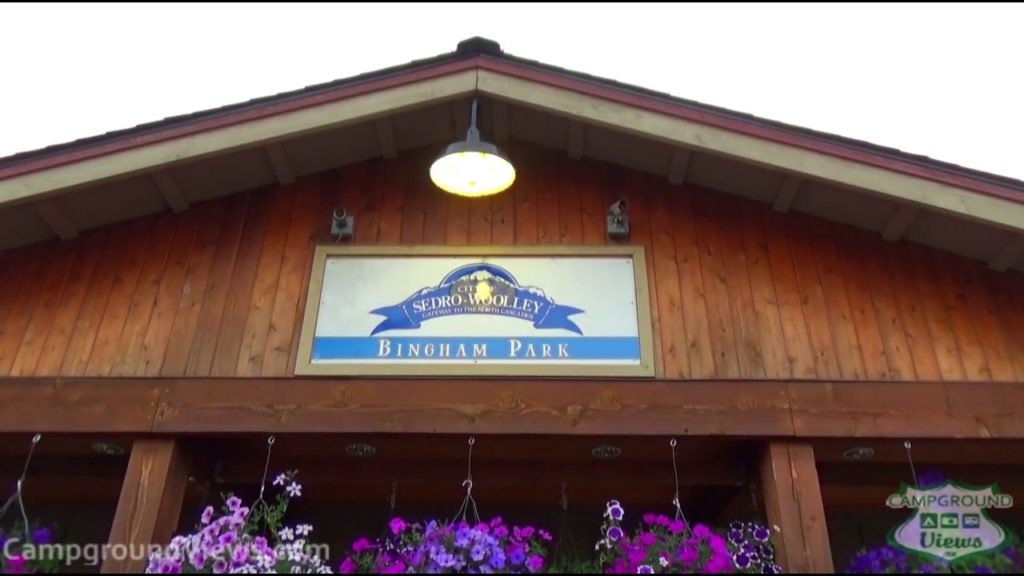
When we think about the spirit and vitality of a community, we tend to think in economic terms such as the availability of good paying jobs, the health of local businesses, affordable homes and safe neighborhoods — all the things that contribute to a tax base that makes possible the social services that add up to that intangible we like to call “quality of life.” But there are many other factors that speak not just to a town’s present state of being, but its belief in the future. Factors such as the quality of schools, libraries, and community gathering places. Places like Bingham Park. As a Skagit Valley sign maker, we’re proud to know that for years and generations to come, the sign that marks Bingham Park will be a reminder of all the things we have come to love about the little town of Sedro-Woolley.