Tales of the Magic Skagit: Barbershop Historians of the Skagit Valley

The current Skagit County Historical Museum exhibit, “A Little Off the Top,” showcases the history of barber shops in Skagit County, highlighting their important role in the area. It takes visitors through the evolution of barber shops from the Valley’s pioneer era to the present day, emphasizing their impact on the community.
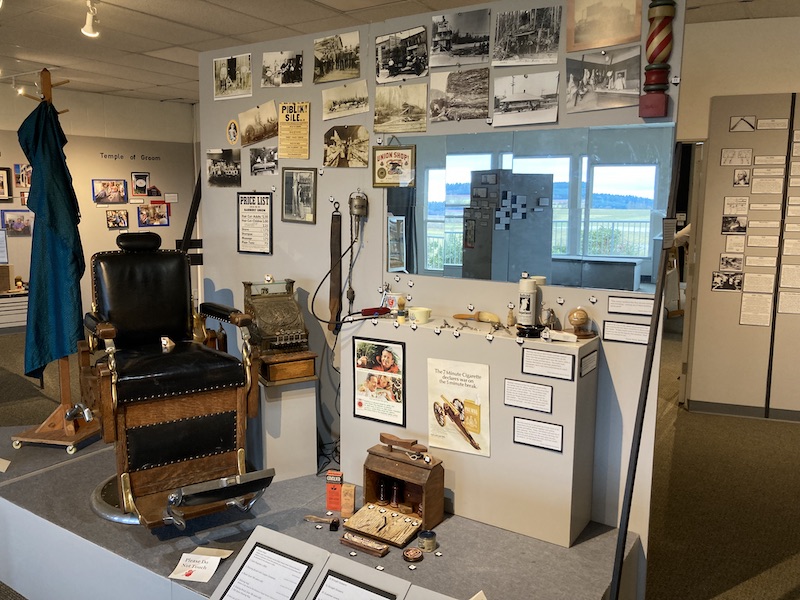
The exhibit features a fascinating collection of artifacts from old to modern-day barber shops, which is impressive given the fact that according to the museum’s executive director, Jo Wolfe, “this is the first time such an exhibit has been created.”
The exhibit ends on March 10th, so visit La Conner Hill soon and explore the rich history of barber shops in Skagit County!
Origins Of Barbering

During my visit to the exhibit on barbering, I was amazed to learn about the fascinating history of this ancient practice. From the introduction of shaving 400 years before Christ to the ancient Egyptians’ cultivation of beauty as a serious approach to fashion, I was captivated by the rich history of barbering. I found it intriguing that during the Middle Ages barbers were also known as barber-surgeons who dressed wounds, amputated limbs, and practiced bloodletting, which was believed to prevent or cure disease at the time. Even the colors of the barber pole have symbolic meanings, with red representing arterial blood, blue representing veins, and white representing washed bandages. Overall, my visit gave me a deeper appreciation for the history and significance of barbering.
Barber Equipment
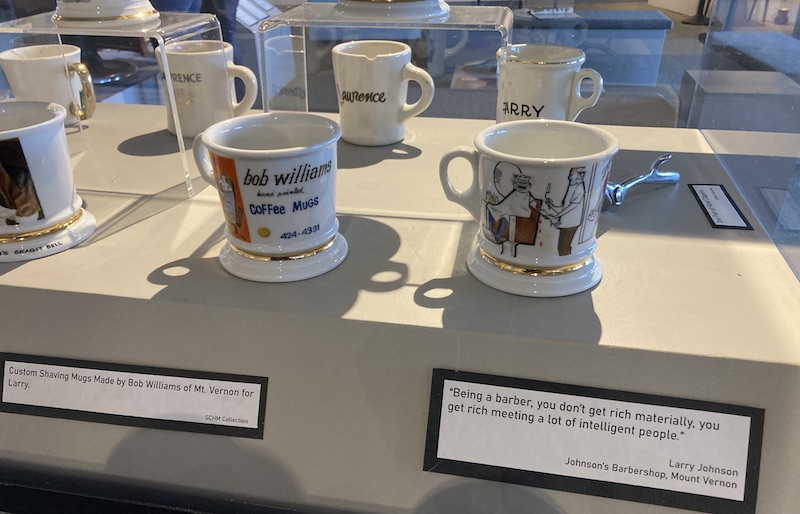
Upon entering the barber shop exhibit, I was immediately struck by the display of various barber equipment. From razors to shaving mugs, implements were onl display with detailed descriptions of their uses and measurements. I was fascinated by the shaving mug itself, which held a bar of soap and a bit of water while the shave brush was rubbed against the soap to create the perfect lather. It was interesting to learn that in the past, men would have their own mugs and brushes before modern sanitation practices were put in place to prevent the spread of diseases like barbers itch. I was intrigued by the detailed descriptions of the different razor heads, such as the wedge grinds which are thicker than hollow blades and are great for removing thick hair, but are less forgiving and harder to hone, making them less ideal for daily use. Overall, it was an impressive display and an insightful glimpse into the world of traditional barbering.
Barber Historians
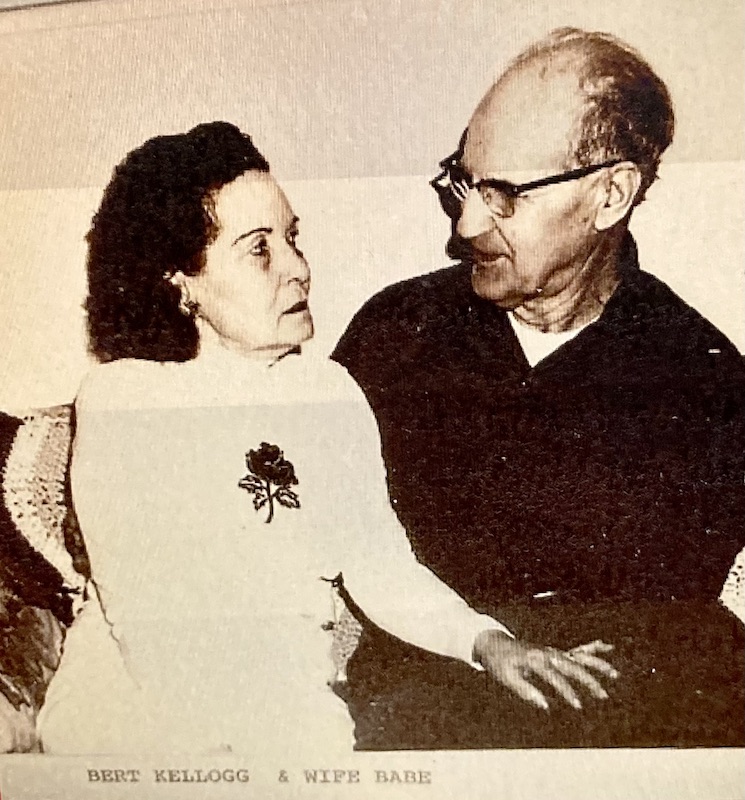
Skagit County owes a great deal of gratitude to two remarkable barbers: Ed Marlow of Sedro-Woolley and Roger Fox of Mount Vernon, who with their exceptional skills and unwavering dedication played an instrumental role in bringing about a positive change in the region. Moreover, their efforts were further bolstered by the valuable expertise of Bert Kellog, a former barber and photographer from Port Angeles, who collaborated with them to accomplish a shared goal of creating not only venues for grooming, but also for community engagement and celebration.
Roger Fox
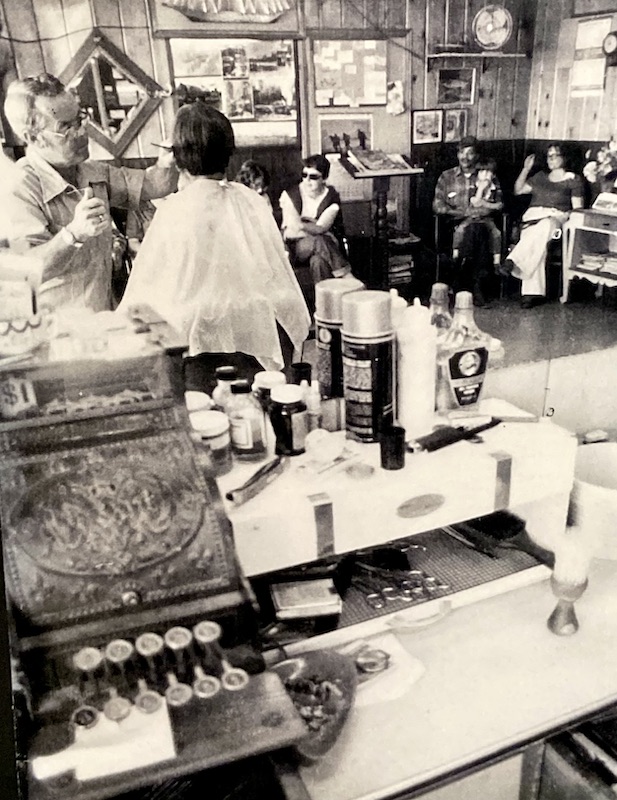
Roger Fox was a well-known figure in Mount Vernon, described as a photographic historian, barber, and community character. He came from a long line of barbers. His grandfather, William Fox, opened the first Fox barbershop in 1908. Roger’s father, Orval, and his uncle Sherman, also had expertise in the trade, and together several generations of the Fox family cut hair in Skagit towns for nearly a century.
After returning from the Korean War in 1953, Roger joined the family business on Mount Vernon’s west side. In addition to his barbering skills, Roger was also known as a “keeper of history.” Locals would drop in, sit on the bench, and pore over what they called their “own local Skagit history library.”
Interestingly, when I discussed this article and exhibit with my father, Mark White, I found out that he had gone to Fox’s Barbershop for a few years when he was younger. According to him, both Foxes, father and son, wore white waist-length jackets that reminded him of what doctors or dentists would wear. They would often discuss high school sports, farming, and fishing. My father also mentioned that the shop always smelled like cigarettes, powder, and aftershave. What he found the funniest was that both Foxes always had a toothpick in their mouth, and he enjoyed watching them whip it around with their lips.
Ed Marlow
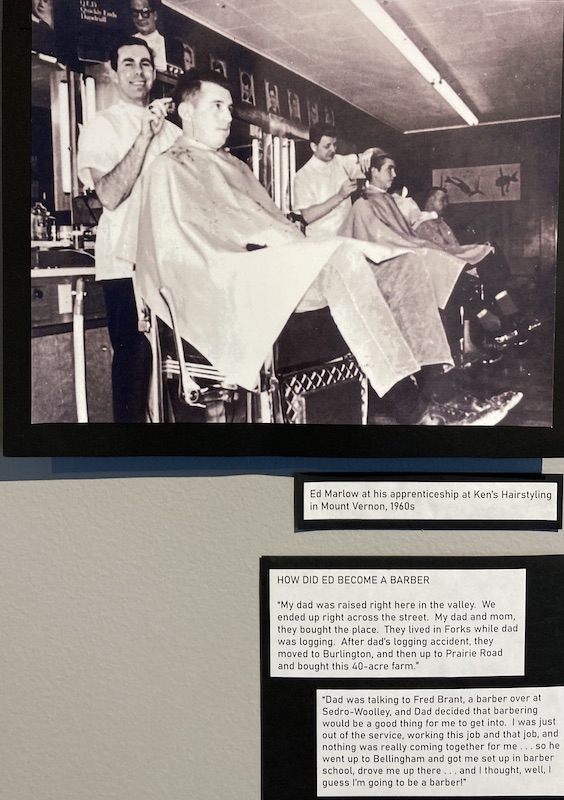
Born in 1937 and raised in Forks, Washington, Ed’s upbringing was a blend of nature and community. His family moved to Burlington after his father suffered a serious injury in a logging accident. Later, they relocated to a farm in Sedro-Woolley where Ed pursued his passion for barbering. After serving in the military he obtained a barber’s certificate in 1962 and opened a unique shop where customers could buy their fishing poles and hunting licenses, get a haircut, and grab a cup of coffee all in one stop. The nearby loggers would often come into the shop to “talk logging,” which was a significant industry in the area. In the exhibit there are many photos from Ed’s family that speak to the importance of logging and the impact it had on his barber shop.
What’s most fascinating is his wife Donna Marlow’s observation that “barbershops are the ideal place to get photos out to the community because everyone came in for haircuts.” As the photo collections grew on the walls, wives would come in with their husbands and they all wanted to look at the pictures. The museum exhibit also includes Ed’s tools, providing a glimpse into his life and work as a barber, making it an engaging and informative experience.
Present Day Barber Shops
Through the exhibit, I learned about the evolution of barber shops over time. While I appreciated the historical context, it was the more recent establishments that truly caught my attention. It was interesting to compare modern shops with their predecessors.
One such establishment that stood out to me was Made Men Cuts, which shared inspiring stories of community members like Carlo Gonzalez. This hardworking Skagitonian went through rigorous barber training, leased his first shop on the west side of Mount Vernon with a meager $1,000, and even worked as a newspaper delivery man at night to make his dream a reality. He eventually went on to open the Northwest Barbershop Academy to pass on his knowledge to the next generation.
Other noteworthy present-day barber shops at the exhibit included Dr. J’s Barbershop, Fred Lee’s Hairstyling, Walt’s Barbershop, Ken’s Hairstyling, and Temple of Groom. These establishments not only bring people together but also give us valuable insight into the evolution of this timeless profession.
In conclusion, the exhibit “A Little Off the Top” provides a comprehensive and engaging look at the rich history of barber shops in Skagit County. From the significance of barbering in different eras to the contributions of remarkable individuals like Ed Marlow and Roger Fox, the exhibit offers a glimpse into the evolution of barbering and its impact on the community. The display of artifacts and equipment used by barbers over the years is impressive and informative, making it a must-visit for anyone interested in the history of this trade and the legacy of the barber historians of Skagit County.

This Tales of the Magic Skagit story was written by Morgan White, a Mount Vernon High School student and intern with Meyer Sign’s Skagit Valley Youth History Project.