Tales of the Magic Skagit: The Cabins at the Fair
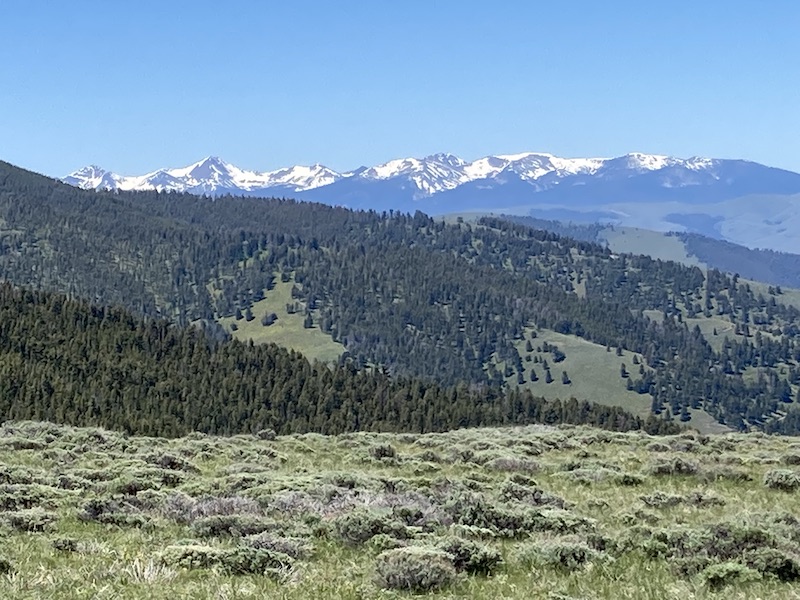
True story. Back in late June my wife and I were retracing the steps of Lewis & Clark and the Corps of Discovery over the Lemhi Pass, crossing the Continental Divide between Montana and Idaho. It’s a breathtaking vista, especially when you pause to consider how Meriwether Lewis would have responded to it when he was expecting to view the Columbia River drainage — and all he saw were more mountains.
As my wife and I read the signage bestriding the line between the rivers running east (where the expedition was coming from 217 years ago) and those running west (where the expedition was going), we noticed a late model Toyota RAV4 heading our way along the “primitive” road we had just ascended. As the car got closer, I noticed the Washington plates. It came to a stop near us, and a couple approximately our age got out, eager to take in the view.
“Where are you guys from,” I asked congenially (I always ask people this, as my family will tell you, with eyes rolling).
“We’re from a town in Washington you probably haven’t heard of,” the wife said. I don’t think they’d noticed the plates on our car at this point. “It’s called Stanwood.”
We spent the next ten minutes in animated conversation, not about Lewis & Clark or the awe inspiring vistas facing us, but about the Stanwood Camano Fair, and how excited we were that it was coming back after a two-year pandemic hiatus. We had all missed it sorely.
When people ask me to describe the Stanwood Camano Fair, I usually just grin and say, “It’s so precious that you just want to put it in your pocket and take it home with you.” I realize that this may seem a bit too macho a thing to say about Snohomish County’s annual community get together, but there’s no point in being politically correct about it.
While I could easily fill the next page telling you all the things I love about the Stanwood Camano Fair, it has something that no history buff can resist: original pioneer cabins that are not only still intact, but still in use. Along with some other notable structures that the Fair has preserved, they add a sense of history and nostalgia that harken back nearly 150 years ago. This article is devoted to two of these: the Erdahl Cabin and the Settre Cabin.
The Erdahl Cabin
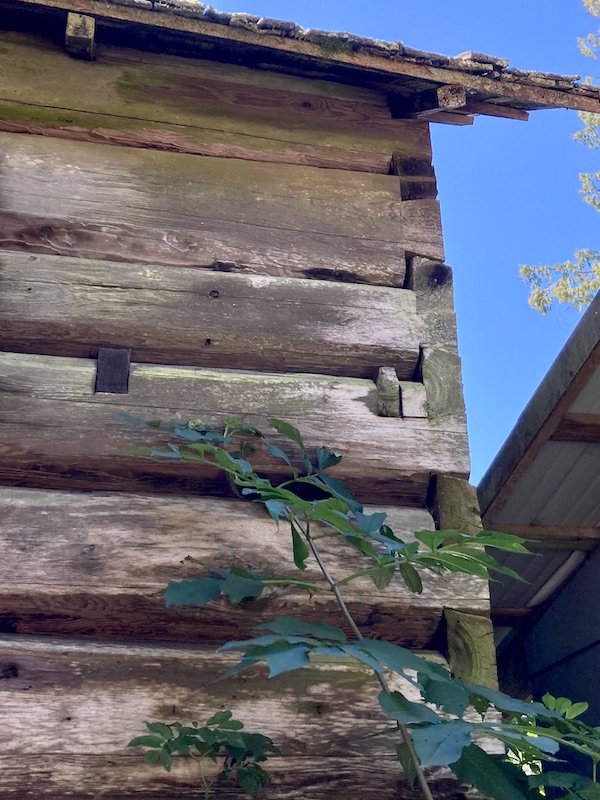
This cabin was constructed in Cedarhome, on the south side of 77th Avenue NW near 276th Street NW. K.K. Some time before the 1870s, K.K. Erdahl hired Native Americans to build a cedar cabin for his family. Technically, it could not be called a “log cabin” because it was constructed of split cedar planks about eight inches thick — using the same techniques that indigenous northwest peoples had employed for millennia in the construction of their long houses. According to the Stanwood Camano Fair guide, the Eardahl Cabin may, in fact, be the only split cedar log cabin left in the state.
The cabin was moved from its original east Stanwood location to school property just south of Lincoln School (now the Stanwood Community and Senior Center) to be used as a school house. When the school district decided to build the high school stadium there, it was given to the city of Stanwood and moved to Church Creek Park. Eventually, the city realized that it lacked the resources to maintain the cabin, and it was handed over to the Stanwood Area Historical Society, who in turn passed it to the Stanwood Lions Club for good keeping.
Which is how it ended up at the Fair.
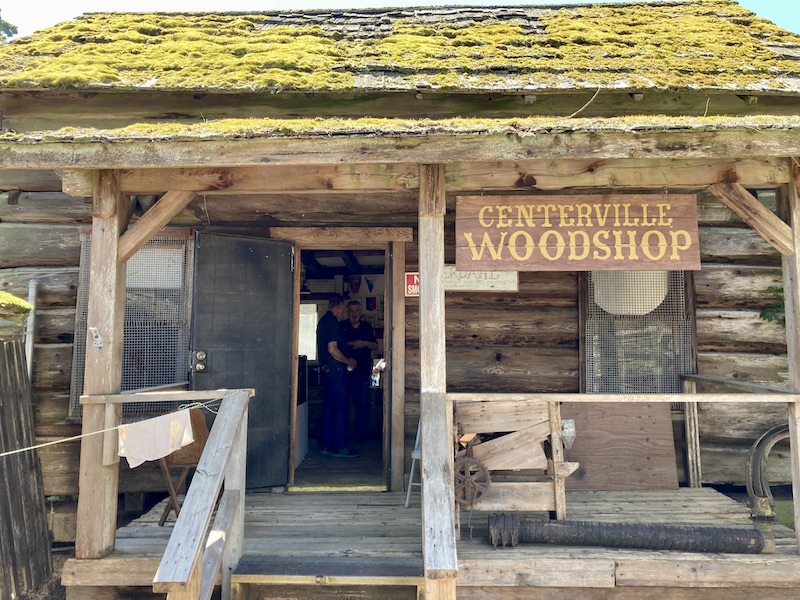
In 1974, the Lions Club moved the cabin to the fairgrounds to use as a museum. Its dirt floor was upgraded to a wooden one, a small room was removed, and timbers were added to an incomplete attic. Today, the museum houses exhibits of old tools, logging equipment, fishing tackle, cigar-making equipment (believe it or not), and other historical displays — all of which can be admired while basking in the pioneer era vibe of this late 19th century abode.
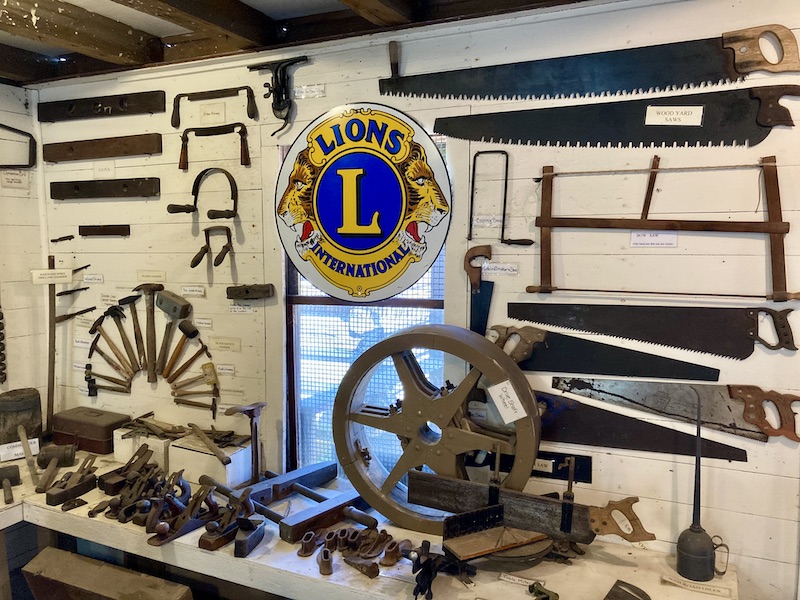
The Settre Cabin
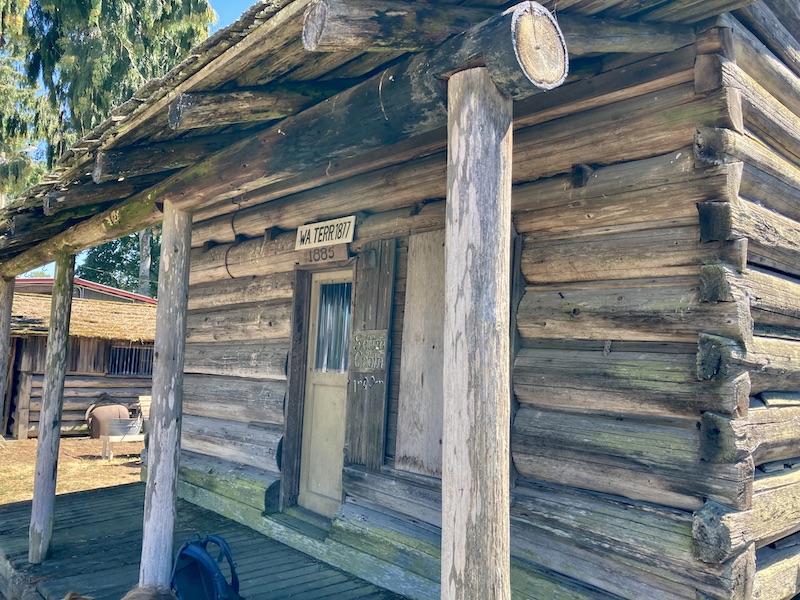
This cabin was built by Rasmus (a name that has sadly gone out of fashion) Settre and his wife, who had arrived in Stanwood in June of 1880. Their fifth child, Josephine, was born in the cabin — which is a traditional log construction. Their eldest daughter was Maria, and their three boys were Lars and the twins, Jacob and Andrew.
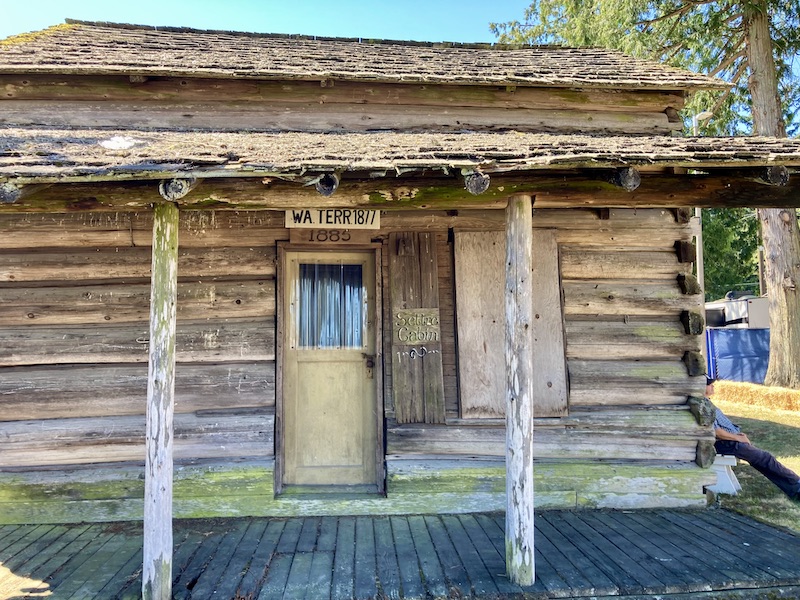
The cabin was built with timber cleared from the land the Settres farmed, on 284th Street NW — just a few miles north of where it rests today. It was moved to the fairgrounds in 1965, and is owned by the Stanwood Historical Society and maintained by the Stanwood Lions Club and the Fair Board. Kudos to you both for keeping our area’s history alive for everyone attending the biggest little fair I’ve ever experienced.