Tulip Trivia: How the Ultimate Tulip Festival Brought Down a Turkish Sultan

Here in the Magic Skagit we pride ourselves on throwing a great Tulip Festival, and for good reason. In 2019 (let’s not mention 2020, if you please) the Magic Skagit hosted festival visitors from all 50 states and more than 85 foreign countries, according to the Skagit Valley Tulip Festival Association’s executive director, Cindy Verge. But when it comes to celebrating blooms, if you want to party like it’s 1999 you’d be hard pressed to top the Turkish sultan Ahmed III, whose reign in Istanbul from 1703 to 1730 was known as the lale devri (tulip era) by historians chronicling the Ottoman Empire.
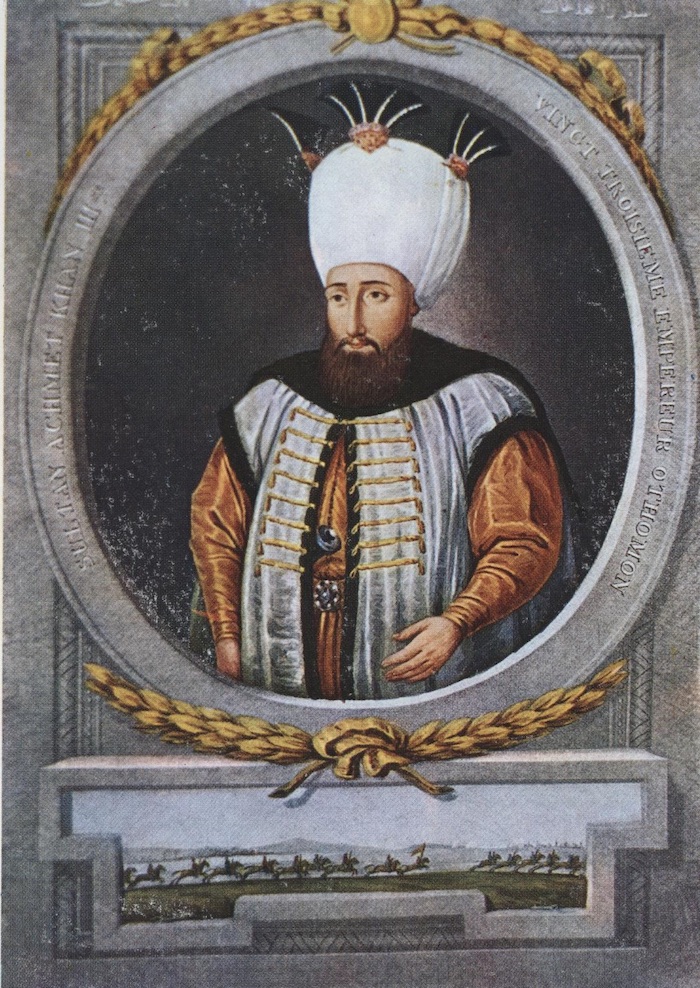
Ahmed III imported millions of bulbs from Holland, where the Dutch had become masters of large-scale bulb production long before the Skagit Valley was to achieve that distinction. The extravagance of the sultan’s annual tulip festivals ultimately proved his downfall; the conspicuous waste of national treasure helped fire the revolt that ended his rule. In fact, “conspicuous waste” takes on a whole new level of meaning when it comes to the tulip festivals staged by the Ottoman court. What follows is a description of the annual fete from the book The Botany of Desire: A Plant’s-Eye View of the World, by one of my favorite authors, Michael Pollan.
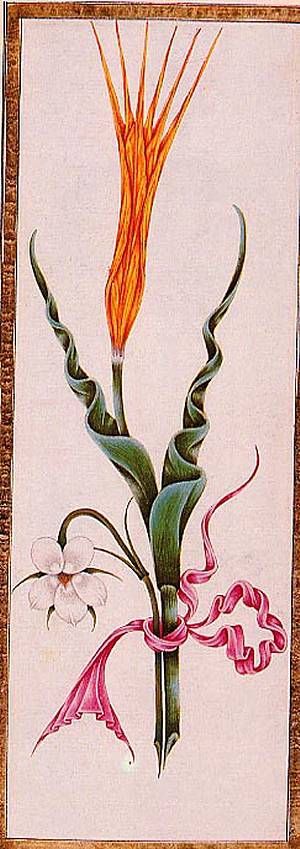
“Tulips whose petals had flexed too wide were held shut with fine threads hand-tied. Most of the bulbs had been grown in place, but these were supplemented by thousands of cut stems held in glass bottles; the scale of the display was further compounded by mirrors placed strategically around the garden. Each variety was marked with a label made from silver filigree. In place of every fourth flower a candle, its wick trimmed to tulip height, was set into the ground. Songbirds in gilded cages supplied the music, and hundreds of giant tortoises carrying candles on their backs lumbered through the gardens, further illuminating the display. All the guests were required to dress in colors that flattered those of the tulips. At the appointed moment a cannon sounded, the doors to the harem were flung open, and the sultan’s mistresses stepped into the garden led by eunuchs bearing torches. The whole scene was repeated every night for as long as the tulips were in bloom, for as long as Sultan Ahmed managed to cling to his throne.”
Now that, my friends, is how you throw a flower party…although I suspect that the biggest challenge in recreating this spectacle today would be finding guys to volunteer as torch bearers. On the other hand, I’m sure there are some local choral groups that could use a few more sopranos.