What Did You Do During the Great Pandemic, Grandpa?
It’s pretty clear by now that regardless of how we respond to it, the coronavirus (like other viruses before it) is going to be a part of our lives for awhile. Yes, at some point we’ll have a vaccine and improved treatment protocols as we learn more about this “invisible enemy” that puts all of us at varying degrees of risk, even if no more than being innocently asymptomatic transmitters.
It’s also pretty clear by now that the year 2020 is going to be one that will be remembered for the same reason that October 1929, December 1941, and September 2001 are remembered. While the particular circumstances behind those dates differ, they all represent times of tremendous global trauma that left their mark on our national psyche. For better and/or worse, we weren’t the same country in the wake of those events.

And so here we are today, in the midst of a crisis that combines an existential threat to health and welfare from an enemy we can’t see with the most punishing economic damage that we’ve experienced in at least the past decade. But unlike past trauma, The Pandemic of 2020 has profoundly altered the way we interact with one another, and our ability to engage in the most simple pleasures of civic life — starting with hugging our friends and family, going to the grocery store, or worshipping together in church — not to mention doing our jobs.
So…what will you tell your grandchildren about what we’re now experiencing, and how you coped? My grandchildren, now eight and five, will have memories of their own, of course, but I imagine they’ll still reference those of their grandparents when recounting the year 2020 to my great grandchildren.
Among the memories I’ll share with them will be those of sorrow (Uncle Bud dying of COVID-19 in a hospital in Colorado without his family beside him), the anxiety over my mom’s safety in an extended care facility in Idaho, the poignancy of reading about the lives of victims and the struggles of front line healthcare workers — and of course, the general distress of watching the economy of the United States and the world implode almost overnight.
But at this point, I think the strongest memories I’ll share will be my deepened appreciation for how essential human contact is to our wellbeing. While I don’t think Zoom will be a long term replacement for visiting with members of my church congregation, just seeing their faces and hearing their voices is worth putting up with the surreal nature of interacting with a bunch of disembodied heads that vaguely resemble people I know, with voices like sci-fi robots .
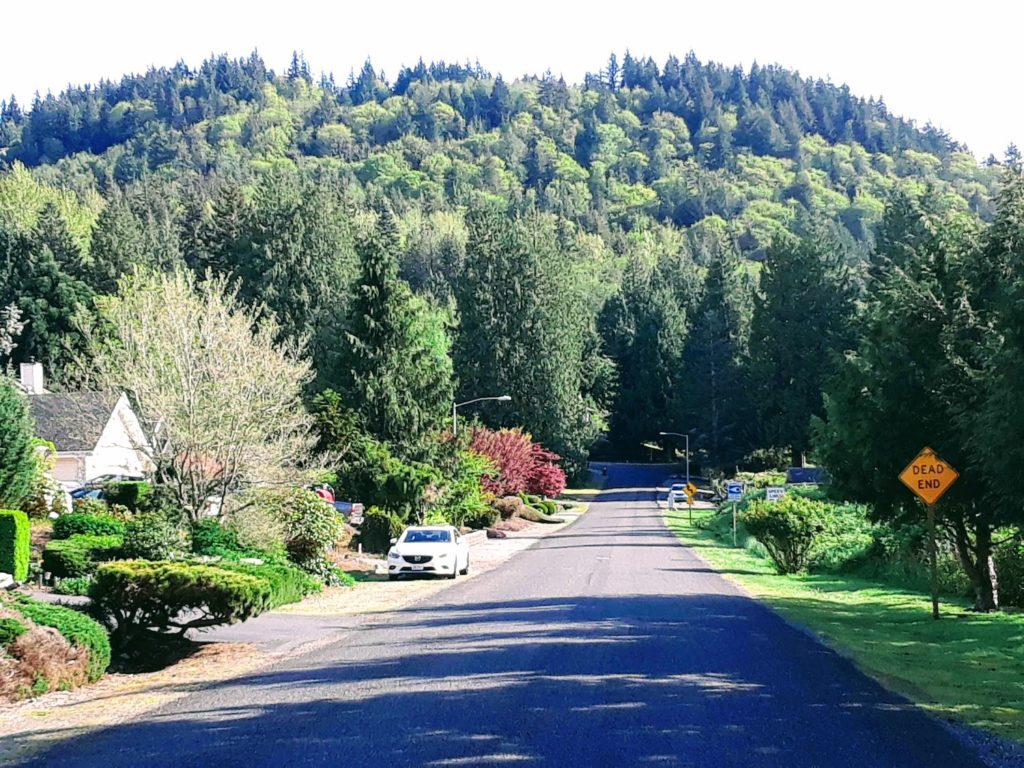
Another memory I’ll share is walking my neighborhood — something that was a habit well before I’d ever heard of the coronavirus. Now, however, I pay a lot closer attention to my surroundings, including the occasional folks I wave and smile at from a safe social distance. And with so many people unemployed, or at least temporarily sheltering in place, I see many other people out walking as well.
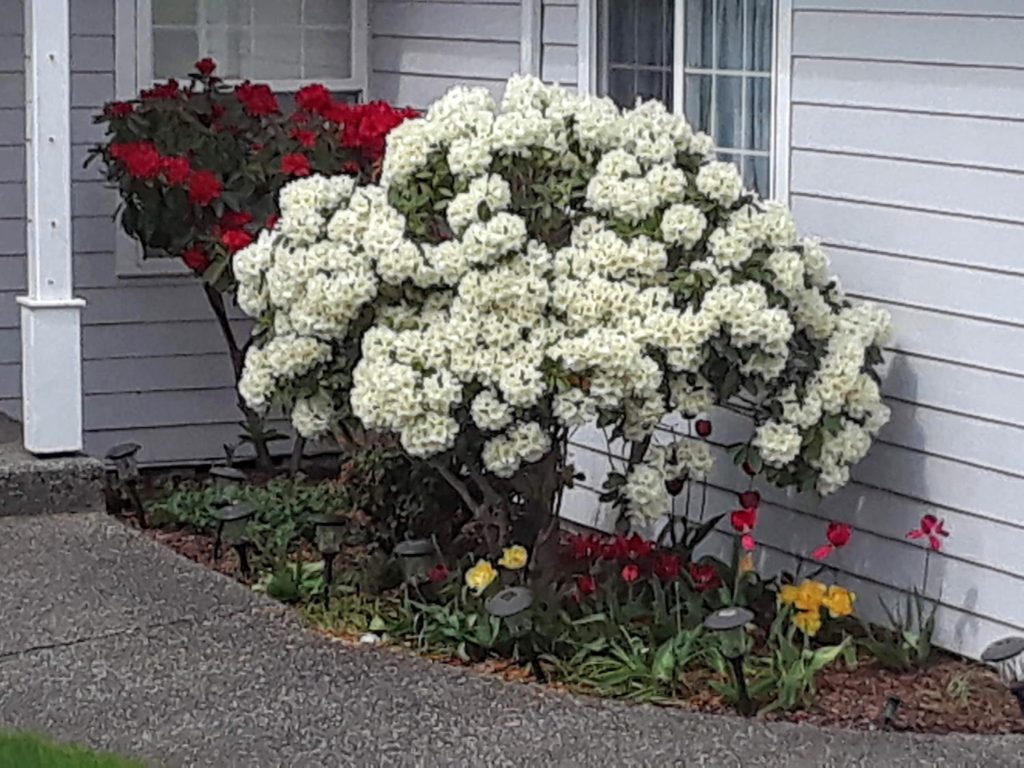
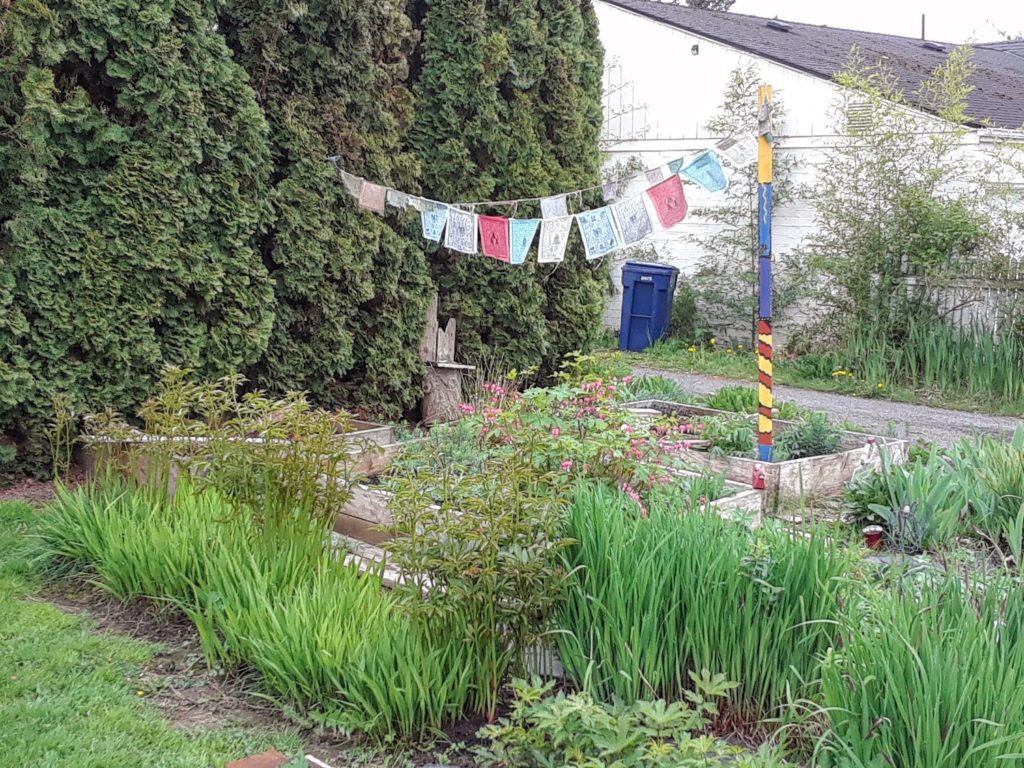
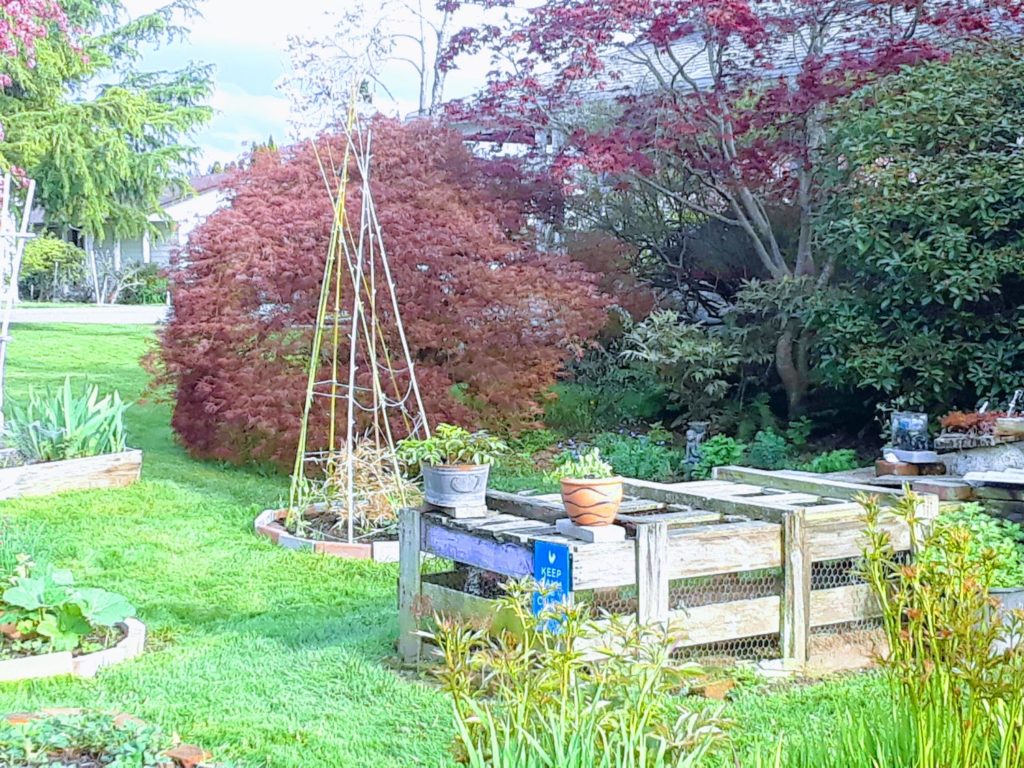
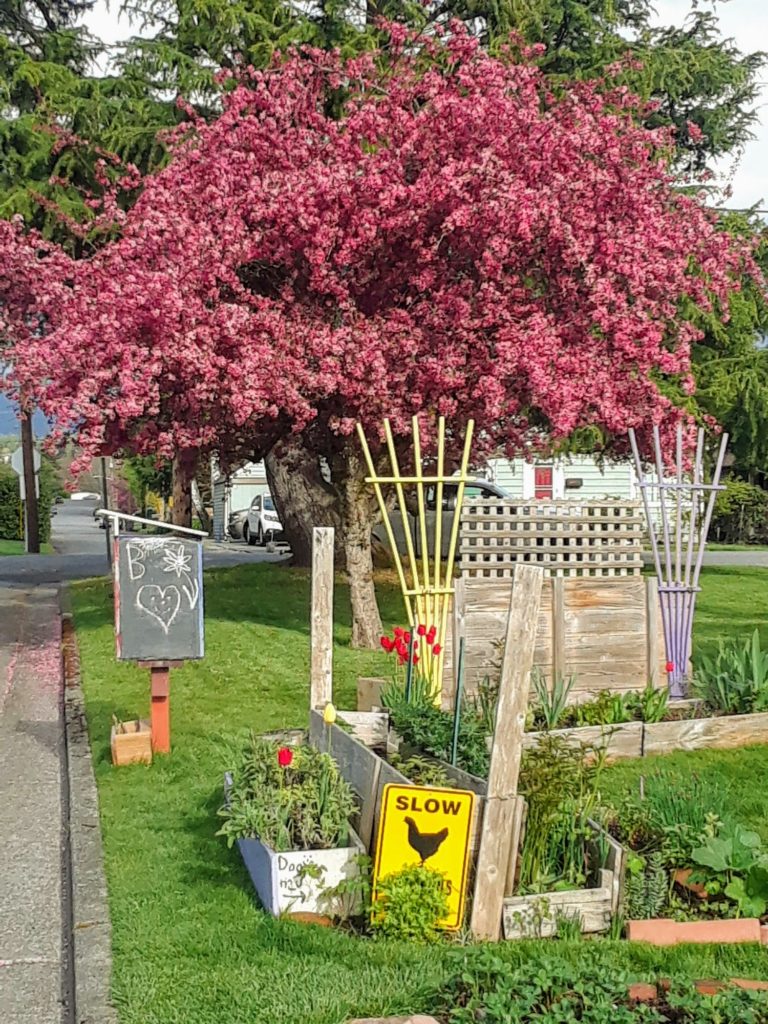
I’m also spending more time getting my hands in dirt. Like walking, I’ve noticed that this is a pastime that many others are engaged in as well. Even though “gardening season” is every bit as cyclical as “flu season,” I can’t help but notice that there is an “unseasonable spike” in the number of garden and landscaping projects being carried out by my neighbors.
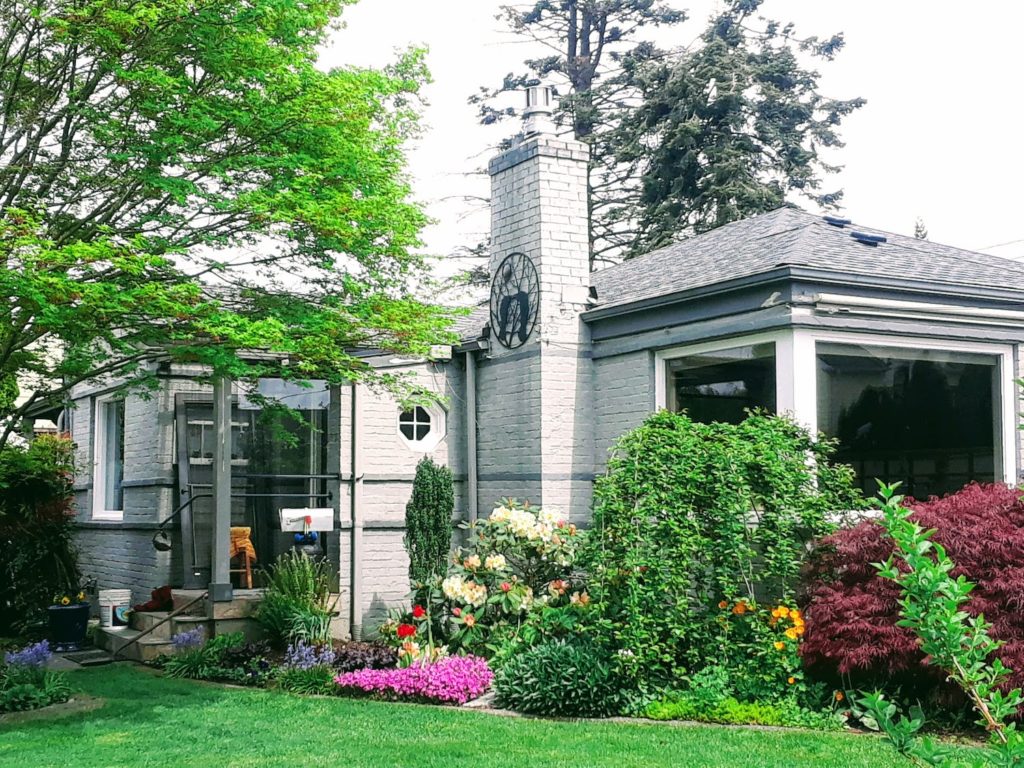
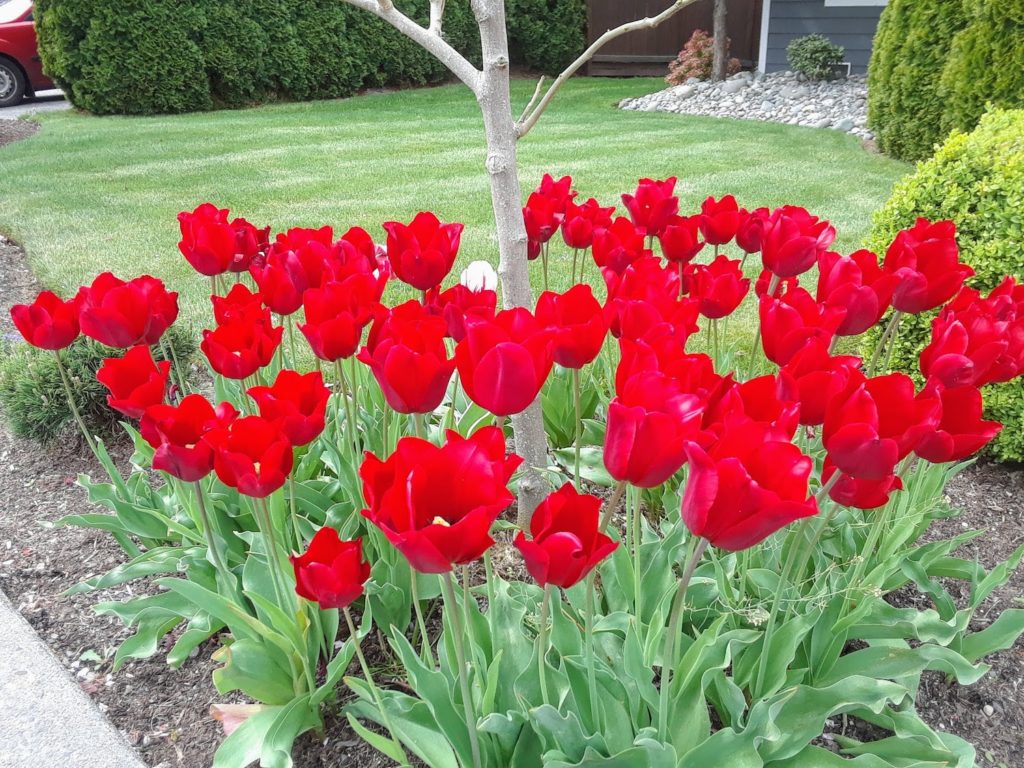
We may not be able to get rid of the coronavirus (yet), but we can get rid of weeds. We can’t restore life to those that have lost theirs, but we can plant new life in the form of flowers, vegetables, and trees. And while there is only so much we can do to prevent contagion, we can add new layers of mulch to prevent the return of weeds and loss of moisture. It’s a frail but beautiful gesture that is, in its own way, an act of defiance. “You can infect me, Coronavirus, but you can’t stop me from making my home more beautiful — and you’ll have to pry my rake and shovel from my fevered hands.” Given a choice between paying their electric bill and their water bill, true gardeners will gladly return to kerosene lamps.
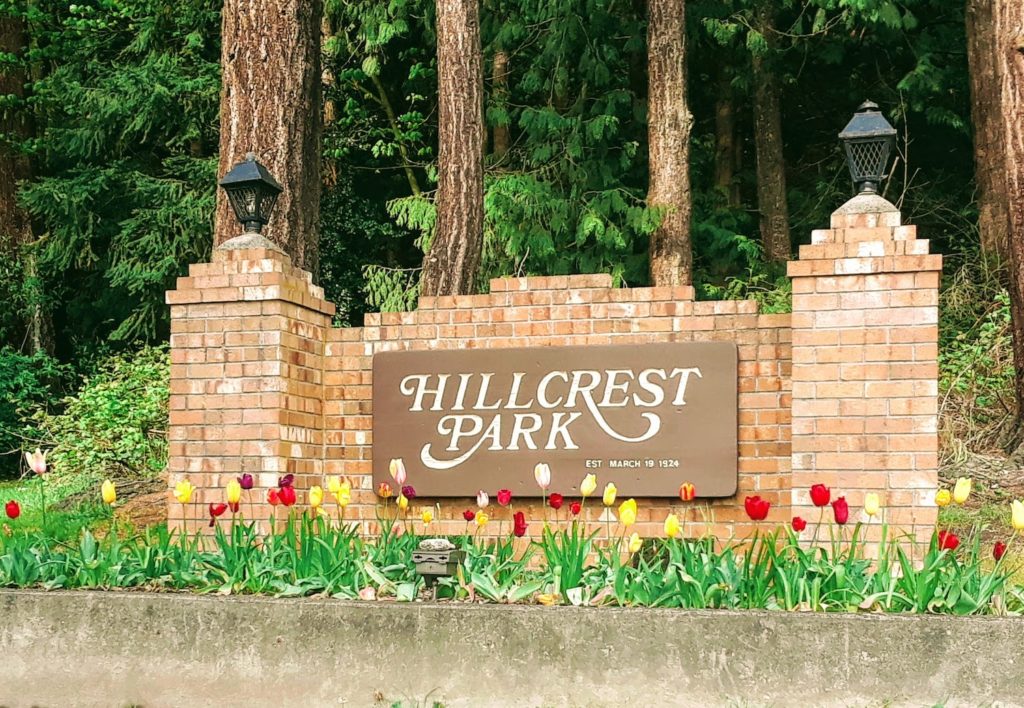
During my walks, as I appreciate the beauty of where I live, I’m also given to deeper flights of fancy. One of the recurring themes of my ambulatory essays is the deeper significance of digging in the dirt in the midst of pandemic. If you think on it, there’s something biblical about it, right? After all, according to the Book of Genesis, humanity had its beginnings as a lump of clay. From dust we came, and to dust we return. So in a sense, the very act of getting our hands in the soil is an homage to our Creator, and to our own powers of creation as beings made in the Creator’s image.
We may have been banished to east of Eden, but it hasn’t stopped us from trying our best to get back to the garden. And at the end of a long day of getting our hands dirty in it, washing them clean in hot soapy water (whilst singing The ABC Song) imbues us with the sense of fulfillment that might well be compared to that which the Lord experienced on the seventh day.
Sure, the theology behind these musings is guilty of a Judeo-Christian bias; but I’ll bet my recent U.S. Treasury check, courtesy of the CARES Act, that anyone of any faith tradition quite likely experiences similar metaphoric flights when they dig in the dirt. Especially during the Great Pandemic.
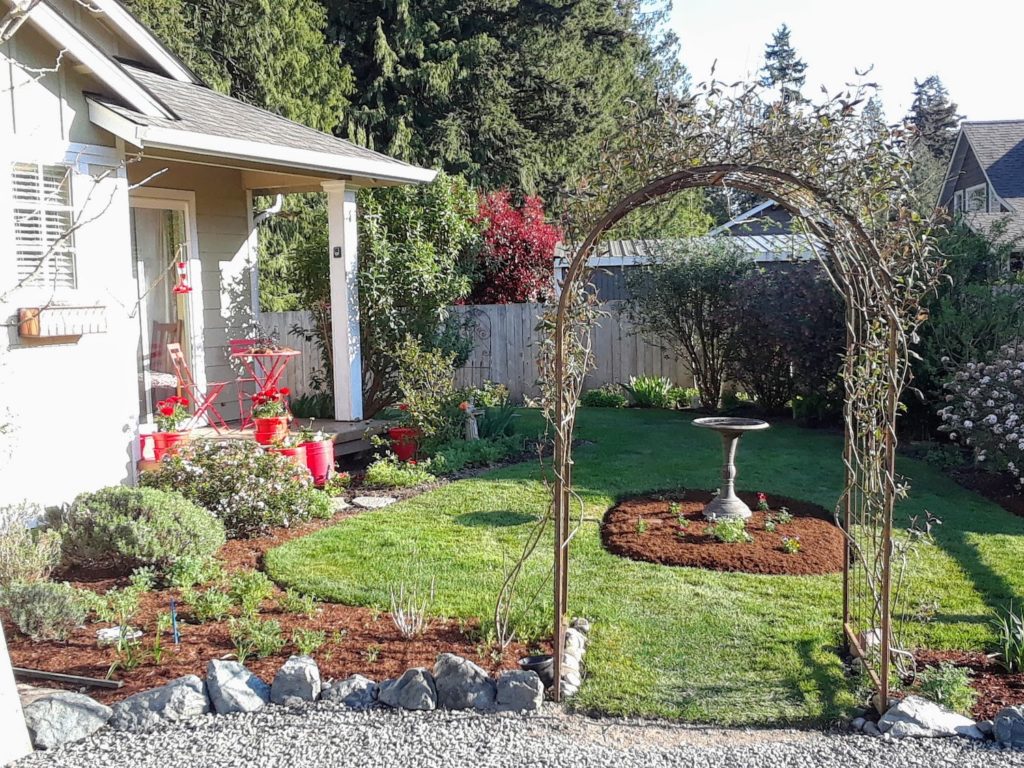
So, whatever else you do in these times that test our souls, dear friends, enjoy the fact that we live in a place where population densities make it easier to go for a walk without compromising social distancing guidelines. Enjoy the enhanced beauty of your neighborhood. Wave and smile to people you encounter, whether you know them from previous excursions or may never again gaze upon their masked visages. And get some dirt under your nails — even if it’s putting a geranium in a window box. And when your grandchildren ask you what you did during the Great Pandemic, perhaps you can tell them, “I did my best to be more human.” Then show them pictures of your garden from back in the day.